

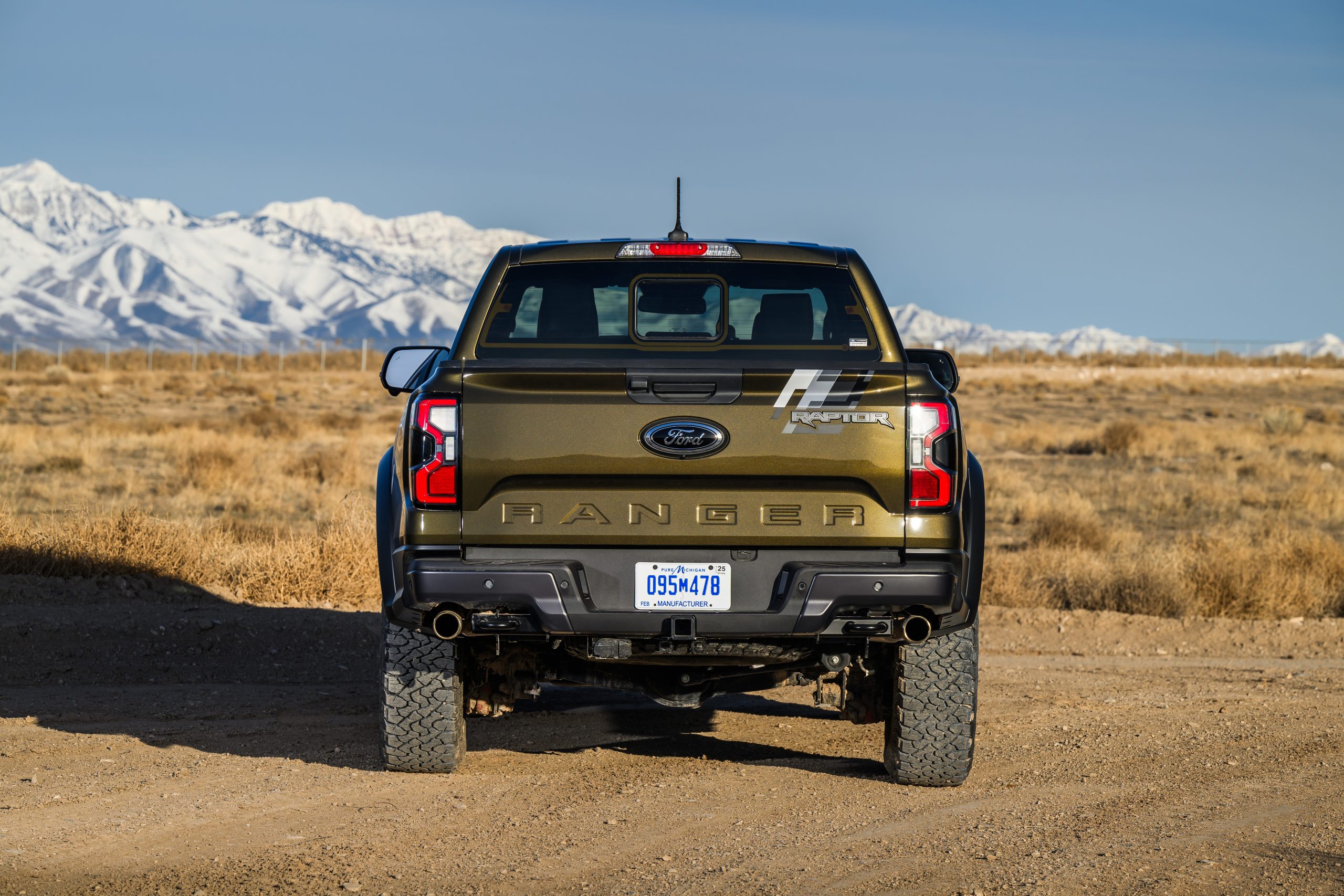
Understanding Ford trim levels helps you identify which features justify higher prices and which represent unnecessary upgrades for your specific needs. At Cloninger Ford in Salisbury, NC, customers who approach Ford trim comparison strategically avoid both overpaying for features they will not use and underbuying into a trim that lacks essential capabilities. The key is matching your actual driving needs to the features each trim delivers rather than defaulting to middle-range options or stretching for premium trims based on appearance alone.
Start With Your Non-Negotiable Features
Before comparing trim levels, identify which features you actually need versus those that sound appealing in a sales presentation. Do you tow boats or trailers regularly? Then you need to focus on trims that offer the engine options and towing packages required for your weight range. Do you drive long highway distances for work? Then adaptive cruise control and lane-keeping systems deliver genuine value rather than just convenience.
Write down your must-have features before visiting the dealership. This list might include four-wheel drive for North Carolina winters, specific bed length for hauling materials, crew cab seating for family transportation, or particular safety technologies. Having this list prevents sales presentations from convincing you that features you will rarely use are essential upgrades.
How does this approach save money? By starting with requirements rather than trim names, you can identify the lowest trim level that meets your needs. Sometimes a well-optioned XLT with specific packages costs less than a base Lariat while delivering the exact features you need.
Understand Base Trim Standard Equipment
Base Ford trim levels like the F-150 XL include more standard equipment than many buyers realize. The XL comes standard with SYNC 4 infotainment with a 12-inch touchscreen, Ford Co-Pilot360 driver assist technology, LED headlights, and multiple engine options including the 2.7-liter EcoBoost V6 or 5.0-liter V8.
This standard equipment handles many daily driving needs. The SYNC 4 system provides wireless Apple CarPlay and Android Auto connectivity. Ford Co-Pilot360 includes pre-collision assist with automatic emergency braking, blind spot monitoring, lane-keeping assistance, and rear view camera. These safety features match what comes standard on premium trims.
The XL makes sense for buyers who need truck capability without interior luxury or advanced convenience features. Work trucks, fleet vehicles, or second vehicles for hauling and towing often benefit from XL pricing while still delivering modern safety technology and connectivity.
Identify the Value Sweet Spot
The XLT trim typically represents the best value proposition in Ford trim comparison across most models. The XLT builds on base trim features while adding chrome exterior accents, upgraded cloth seating, power-adjustable driver seat, dual-zone climate control, and additional USB ports. These comfort improvements make daily driving more pleasant without dramatically increasing the price.
The XLT also opens access to more option packages than base trims. You can add features like the 360-degree camera system, upgraded audio, remote start, and power-sliding rear window by selecting specific packages. This flexibility lets you customize the truck to match your needs rather than accepting a predetermined feature set.
Recognize When Premium Trims Deliver Value
The Lariat trim and above make financial sense when you spend significant time in your vehicle or when specific premium features align with your needs. The Lariat includes leather seating, heated and ventilated front seats, power-adjustable pedals, upgraded SYNC system, chrome exterior accents, and enhanced driver assistance features.
These upgrades matter most for drivers who commute long distances, use their truck as a primary vehicle for both work and personal driving, or who value interior comfort and materials. If you drive 30,000 miles annually and spend hours daily in your vehicle, the comfort improvements justify the higher price. If the truck serves primarily as a weekend hauling vehicle or occasional work truck, those features deliver less value.
The Lariat also includes BlueCruise hands-free highway driving capability on select models. For drivers who regularly make highway trips from Salisbury to Charlotte or other cities, this technology reduces driver fatigue and adds genuine convenience. For drivers whose routes consist mainly of local errands and short trips, BlueCruise provides limited benefit.
Calculate the Real Cost of Upgrades
Calculate what each feature actually costs rather than comparing total trim prices. If the difference between XLT and Lariat is $11,000, but the features you want from the Lariat (like heated/ventilated seating) could be aftermarket installed for much less, the premium trim represents poor value.
Similarly, option packages within a trim level deserve scrutiny. A $2,500 technology package might include navigation, premium audio, and 360-degree cameras. If you primarily use your smartphone for navigation and rarely use premium audio features, that package delivers minimal value despite including multiple features.
Some features cannot be added after purchase or cost significantly more as standalone additions. Four-wheel drive, towing packages with integrated trailer brake controllers, and factory spray-in bedliners typically cost less when ordered from the factory than when added later. These features justify selecting higher trim levels or specific option packages.
Compare Across Model Years
Previous model year Ford trim levels often offer better value than current model year trucks, particularly when features and capabilities remain largely unchanged. A 2025 F-150 XLT with identical features to the 2026 model might sell for several thousand dollars less simply due to model year age.
Research what changed between model years before defaulting to the newest version. If the updates consist mainly of new exterior colors or minor technology improvements you will not use, the previous model year delivers better value. Significant updates like new engines, redesigned interiors, or substantially upgraded safety systems might justify paying for the current model year.
Evaluate Resale Value Considerations
Some trim levels hold their value better than others, which affects total cost of ownership over time. The F-150 XLT and Lariat typically maintain stronger resale values than both base XL trims and premium Limited trims. The XLT appeals to the broadest range of used truck buyers, while the Lariat offers desirable features without the depreciation hit of top-tier luxury trims.
Specialty trims like the Tremor or Raptor can maintain exceptional resale value if you choose specifications that align with used market demand. However, adding extensive options to these trims can result in poor return on investment since used buyers often seek specific configurations rather than heavily optioned examples.
Does resale value justify selecting a higher trim level? Only if you plan to sell or trade the vehicle within three to five years. If you typically keep vehicles for ten years or more, initial purchase price matters more than future resale value since depreciation affects all trims over extended ownership periods.
Test Drive Before Deciding
Trim comparison becomes clearer after experiencing the differences firsthand. The gap between XL vinyl flooring and XLT carpet might seem insignificant on paper but affects daily comfort. The improvement from manual seats to power-adjustable seats with lumbar support changes long-distance driving fatigue.
Schedule test drives of at least two trim levels at Cloninger Ford. Drive the base trim that meets your requirements and another higher. This comparison reveals whether the additional features justify the price increase for your specific usage patterns.
Pay attention to features you interact with frequently rather than focusing on visible upgrades. The quality of the audio system, responsiveness of the climate control, and comfort of the seating position affect every drive. Chrome exterior accents and LED lighting upgrades look good but deliver minimal functional benefit.
Ask About Current Incentives by Trim
Manufacturer incentives often target specific trim levels rather than entire model lines. Ford might offer $3,000 in rebates on XLT models to move inventory while offering only $1,000 on Lariat trims. These incentives can shift which trim level offers the best value at any given time. The best Ford trim comparison includes current pricing and available incentives rather than just comparing MSRP numbers.
At Cloninger Ford, understanding which Ford trim levels deliver the features you actually need helps you avoid both overpaying for unnecessary upgrades and selecting a trim that lacks essential capabilities. The goal is matching your requirements to the appropriate trim rather than defaulting to middle options or stretching for premium trims based on appearance.
Frequently Asked Questions About Ford Trim Levels
What is the difference between Ford F-150 XL and XLT trim levels?
The XLT adds chrome exterior accents, upgraded cloth seating, power-adjustable driver seat, dual-zone climate control, and additional USB ports compared to the XL. The XLT also offers more available option packages for customization.
Which Ford trim comparison should I focus on when shopping?
Compare the base trim that meets your requirements against one trim level higher to evaluate whether the additional features justify the price increase for your specific needs and driving patterns.
Do higher Ford trim levels always hold better resale value?
Mid-range trims like XLT and Lariat typically maintain the strongest resale values because they appeal to the broadest range of used buyers. Base and premium trims often depreciate faster.
Connect with us
