
Cloninger Ford of Salisbury

Blog / Salisbury Ford Service

Blog

All Salisbury Ford Service Cloninger Ford Salisbury Ford Dealer Salisbury NC Cloninger Ford of Salisbury Service Things to do Food Ford SUVs & Crossovers Ford Truck Ford Cars Attractions near Salisbury Restaurants Salisbury Used Cars Ford Bronco 2023 Ford Ford F-150 Ford Mustang takeout salisbury 2024 Expedition 2024 Ford Edge 2025 Ford F-150 Explorer Ford Edge Ford Escape Life in Salisbury Museum Takeout 2021 Ford EcoSport 2021 Ford Escape 2021 Ford Explorer 2021 Ford Ranger 2024 Ford Bronco Sport 2025 Ford Bronco 2025 Ford Bronco Sport 2025 Ford Escape 2025 Ford Expedition 2025 Ford Explorer 2025 Ford Ranger Car Battery Service ice cream Mexican Technology 2020 Ford Escape 2020 Ford Explorer 2020 Ford Fusion 2020 Ford Mustang 2021 Ford F-150 2021 Ford F-250 Super Duty 2021 Ford F-350 2021 Ford Mustang 2022 Ford 2022 Ford F-250 Super Duty 2023 Ford Bronco Sport 2023 Ford Mustang 2023 Ford Ranger 2024 Ford F-150 Lightning 2024 Ford Maverick 2025 Ford Mustang Boone's Cave Park Cafe Commercial Vehicles Ford Transit Frozen Custard Frozen Yogurt NC smoke pit transportation museum
women with tire

Understanding Tire Wear on Ford Trucks and SUVs

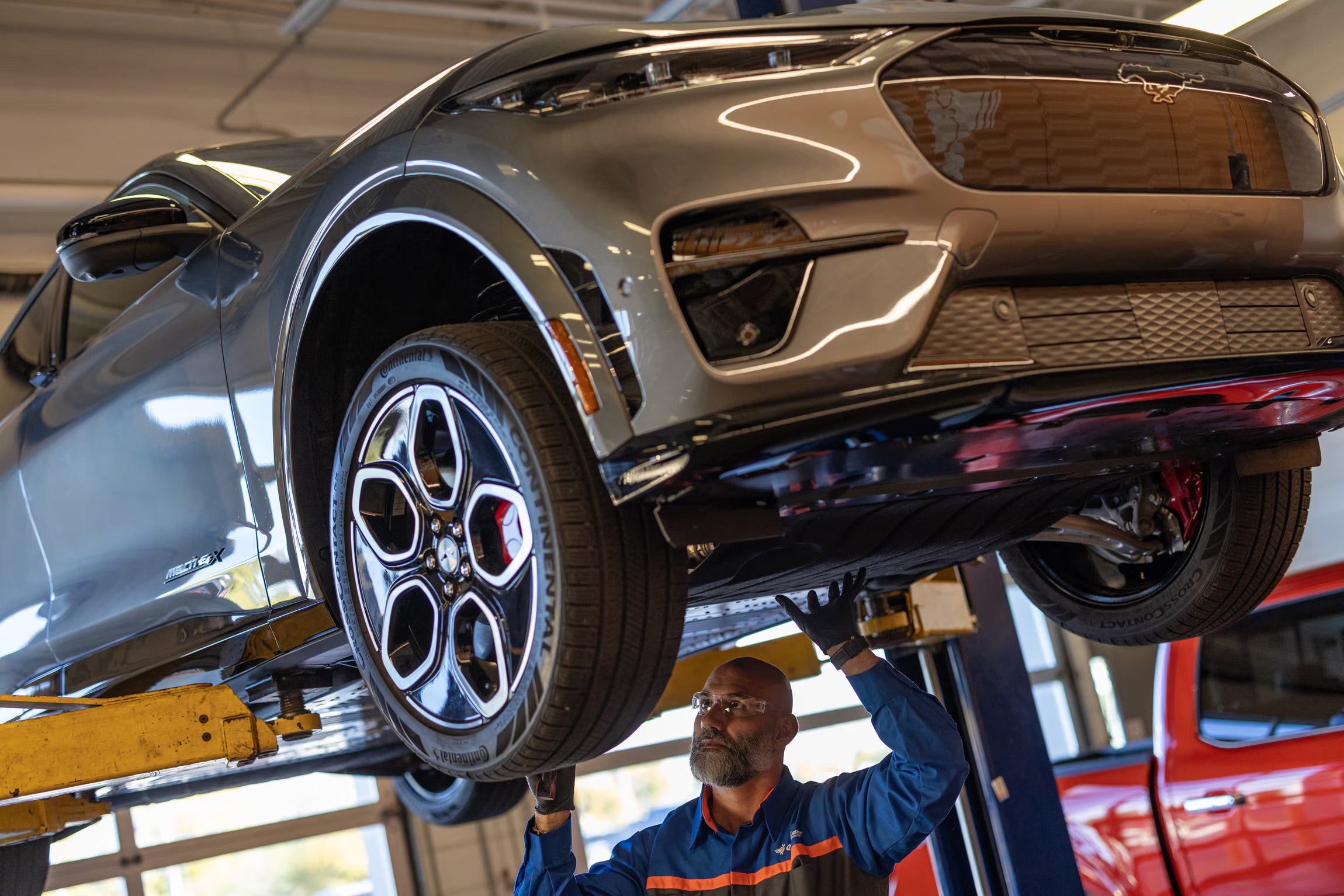
Tire wear is a normal part of vehicle ownership, but understanding why and how it happens can save Ford owners time, money, and potential safety issues. For drivers in Salisbury, NC, knowing when to schedule a Ford tire rotation and what to watch for in terms of Ford tires performance helps prevent premature replacement and keeps your vehicle handling properly. At Cloninger Ford, tire-related service calls are among the most common questions, and the patterns drivers describe often reveal specific underlying issues that are easy to address when caught early. more How Tires Wear Naturally All tires wear over time as the rubber contacts the road surface. On trucks and SUVs, front tires typically wear faster than rear tires due to the added demands of steering and, in many cases, carrying the weight of the engine. Ford trucks like the F-150, Ranger, and Super Duty place significant stress on front tires, especially during cornering and heavy acceleration. Front-wheel-drive SUVs like the Ford Escape or Edge also see accelerated front tire wear because those tires handle both propulsion and steering. A regular Ford tire rotation helps distribute wear more evenly across all four positions, extending the overall life of the set. How often should tires be rotated? Most manufacturers, including Ford, recommend rotation every 5,000 to 7,500 miles. Following this schedule keeps wear balanced and helps drivers get the maximum lifespan from their investment. Common Tire Wear Patterns and What They Mean Different wear patterns reveal different problems. Recognizing these patterns early allows Ford owners to address issues before they lead to costly replacements or compromise safety. Edge wear occurs when both outer shoulders of the tire wear faster than the center. This typically results from underinflation. When tire pressure is too low, the sidewalls flex more during driving, increasing contact on the edges and accelerating tread loss. Checking tire pressure monthly and maintaining the recommended PSI listed on the driver-side door jamb prevents this issue. Center wear shows the opposite problem. When the middle of the tire wears faster than the edges, overinflation is usually the cause. Overinflated tires have a smaller contact patch with the road, concentrating wear in the center. Adjusting pressure to the correct level solves this quickly. One-sided wear happens when one edge of the tire, either inside or outside, wears significantly faster than the other. This pattern typically signals misalignment. When wheels are not angled correctly, they drag or tilt, causing uneven tread contact. Drivers may also notice the vehicle pulling to one side or the steering wheel sitting off-center when driving straight. Cupping or scalloping creates irregular dips or high and low spots around the tread. This pattern is often linked to worn shocks or struts. As suspension components age, they lose their ability to control tire movement, causing the tire to bounce slightly on the road. This bouncing creates uneven contact, which leads to cupping. Addressing suspension wear early prevents this from becoming a recurring issue. Feathering occurs when one side of each tread rib is worn smooth while the other side remains sharp. Running your hand across the tread will reveal this texture. Feathering is most commonly caused by incorrect toe-in alignment, where the front of the tires point slightly inward or outward rather than running parallel. Why Ford Trucks and SUVs Are Prone to Certain Wear Ford trucks and SUVs carry more weight and handle heavier loads than sedans, which increases stress on Ford tires. Models like the F-150, F-250, and Expedition are built for towing and hauling, and that capability comes with added demands on the tire surface. Drivers who tow trailers or carry heavy cargo regularly should monitor tire pressure more frequently, as added weight compresses tires and can push them out of the recommended pressure range. Larger tires, such as those on lifted trucks or off-road packages, may also wear differently depending on driving conditions. Is tire wear on Ford trucks faster than on smaller vehicles? Not necessarily, but the larger contact patch and heavier loads mean that small issues like underinflation or misalignment show up more quickly and more dramatically. The Role of Regular Tire Rotation Ford tire rotation is one of the simplest ways to extend tire life and maintain balanced handling. Rotation moves tires from one position to another, ensuring that no single tire carries disproportionate stress for too long. For most trucks and SUVs, the recommended rotation pattern follows a forward cross or rearward cross method depending on drivetrain. Front-wheel-drive vehicles typically use a forward cross, while rear-wheel-drive and four-wheel-drive models use a rearward cross. Directional tires, which are designed to roll in one specific direction, require a front-to-back rotation on the same side of the vehicle. At Cloninger Ford in Salisbury, NC, tire rotation is included as part of routine service visits and takes only a few minutes to complete. The service team inspects tread depth and wear patterns during each rotation, which helps catch potential issues early. When to Replace Tires Tire tread depth directly affects traction, especially in wet conditions. The legal minimum tread depth in most states is 2/32 of an inch, but many experts recommend replacing tires when they reach 4/32 to maintain safe stopping distances and hydroplaning resistance. A simple way to check tread depth is the penny test. Insert a penny into the tread with Lincoln's head facing down. If you can see the top of Lincoln's head, the tire has worn below 2/32 and needs replacement. Other signs that Ford tires need replacement include visible cracks in the sidewall, bulges or blisters, excessive vibration that does not go away after balancing, or any puncture larger than a quarter inch in diameter. Preventing Premature Wear Maintaining proper tire pressure is the easiest and most effective way to prevent premature wear. Checking pressure monthly, especially during temperature changes, keeps tires inflating correctly and reduces stress on the tread. Scheduling regular alignments, ideally once a year or after hitting a major pothole or curb, keeps wheels angled properly and prevents uneven contact with the road. Replacing worn suspension components like shocks and struts as needed also protects tires from cupping and other irregular wear patterns. At Cloninger Ford in Salisbury, NC, the service team can inspect and perform Ford tire rotation, alignment, suspension, and tire condition during routine visits, making it easy to stay ahead of wear-related issues. Frequently Asked Questions About Ford Tire Wear How often should I rotate my tires? Ford recommends tire rotation every 5,000 to 7,500 miles to ensure even wear and extend tire life. What causes one-sided tire wear on Ford trucks? One-sided wear typically indicates misalignment. An alignment check and adjustment will correct the issue. Can worn shocks cause tire wear? Yes. Worn shocks or struts can cause cupping or scalloping on the tire surface due to inconsistent contact with the road.

Ford maintenance

What to Expect During a Ford Service Appointment

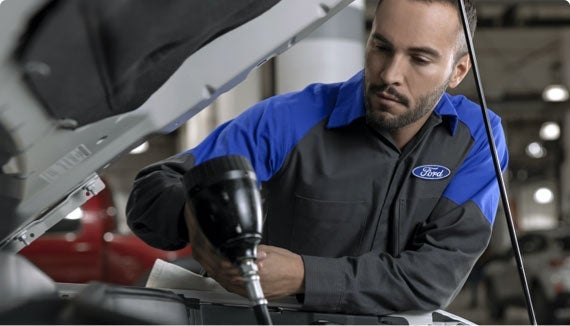
Scheduling vehicle service can feel uncertain if you are not sure what the process looks like from start to finish. Understanding the steps involved in a service appointment helps remove that uncertainty and makes routine care easier to plan. For drivers searching for Ford service near me, knowing how a typical visit works at our dealership can lead to a smoother, more confident experience. more Checking In and Initial Vehicle Review A Ford service appointment usually begins with a check in process where your concerns and service needs are reviewed. This may include discussing warning lights, unusual noises, or scheduled maintenance milestones. Clear communication at this stage helps ensure our technician understands what to inspect. During a Ford maintenance visit, our service team confirms mileage, reviews service history, and verifies any recommended maintenance based on manufacturer guidelines. This initial review sets expectations for timing and scope before work begins. Inspection and Diagnostic Process Once the vehicle is in the service area, our technicians perform inspections related to the requested services. For routine maintenance, this may include checking fluids, brakes, tires, and filters. If diagnostics are needed, specialized tools are used to identify issues accurately. Is every service visit the same length? Not always. A basic Ford maintenance visit is typically quicker than appointments involving diagnostics or repairs. Understanding this difference helps drivers plan their day more effectively when scheduling service. Communication During the Appointment Clear updates are an important part of the service experience. If our technician identifies additional concerns during the inspection, we reach out before moving forward. This allows drivers to understand the issue, recommended solution, and associated cost. This transparency is especially helpful during a maintenance visit, where preventative care decisions can impact long term reliability. Being informed before approving additional work helps drivers feel in control of the process rather than surprised at pickup. Completing Service and Quality Checks After approved services are completed, vehicles typically go through quality checks to ensure work was performed correctly. This may include test drives, system resets, or final inspections depending on the service performed. For drivers using Ford service near me, this step provides reassurance that the vehicle is ready for the road. Attention to detail during final checks helps prevent repeat visits and supports consistent performance. Reviewing Results and Planning Ahead At pickup, our service advisors review what was completed and may note future maintenance items to watch for. This is an opportunity to ask questions and understand how recent service supports vehicle health. Should you schedule your next appointment right away? Many drivers find it helpful to plan ahead, especially for routine intervals like oil changes or tire rotations. This approach helps keep maintenance on track without last minute scheduling stress. Supporting Long Term Vehicle Care Routine service plays a key role in protecting performance, safety, and resale value. Knowing what to expect during appointments encourages drivers to stay proactive rather than reactive with maintenance. At Cloninger Ford, service visits are structured to be clear and efficient, helping drivers understand each step of the process. This clarity makes Ford service near me appointments easier to manage and ensures each Ford maintenance visit supports long term vehicle reliability. Frequently Asked Questions About Ford Service Appointments How long does a typical Ford service appointment take? Routine maintenance often takes under an hour, while diagnostics or repairs may require more time. Do I need an appointment for service? Appointments are recommended, but availability can vary depending on service needs. Will I be notified if additional repairs are found? Yes. Service advisors typically contact you before performing any additional work. Can I wait at the dealership during my service visit? Many drivers choose to wait on site, depending on service length and availability.

Two techs working on a Ford vehicle.

Ford's Evasive Steering Assist: How It Enhances Safety

Ford Evasive Steering Assist is part of Ford Co-Pilot360. Several Ford vehicles have it standard and available. In Ford's words, it "helps make close calls not so close." We're going to look at how it works so you can see how beneficial it can be to have a car. more Ford Evasive Steering Assist: What Is It? Evasive Steering Assist works with several other driver assistance features to help you avoid accidents. If hitting the brakes will be enough to prevent the collision, then evasively steering to avoid the crash may help instead. When activated, Evasive Steering Assist helps you steer your way to safety, but it doesn't steer your vehicle for you. If you don't begin steering, then the feature won't activate and maneuver you to safety on its own. How It Works Your Ford uses a camera and radar sensors to monitor the road. When the camera radar sensors detect that you'll need to brake or steer around the car in front of you to avoid crashing, then Pre-Collision Assist will send you a warning. If needed, your vehicle will automatically apply the brakes to help you slow down and avoid a crash. However, braking isn't always sufficient to prevent a collision, so you might try to steer out of the way. Evasive Steering Assist pitches in and applies more steering torque, a.k.a. more force, to steer you around the vehicle faster. Once you're out of harm's way, Evasive Steering Assist applies some steering torque in the other direction to remind you to get back into your lane. This can be helpful if the incident spooked you and you need that extra reminder. The system deactivates once you've avoided the hazard. How It Enhances Safety Evasive Steering Assist can help detect slow-moving and unmoving vehicles in front of you, acting like a second pair of eyes watching the road to make sure you see everything that could threaten your safety. Because it applies additional force to get you out of difficult situations, it may help you avoid a crash if your efforts aren't enough to prevent one. You may not always steer hard enough or brake fast enough on your own, so your Ford has your back. Come to Cloninger Ford of Salisbury in Salisbury, NC, to look for cars with Evasive Steering Assist. Contact our sales team at 704-828-0015 if you have any questions about models with this feature.

2025 Ford Expedition parked outside of a lovely home.

Trim Levels of the 2025 Ford Expedition Max

When you need an SUV with plenty of room for passengers and cargo, you need the 2025 Ford Expedition Max. This large three-row SUV boasts an additional foot of cargo space over the regular Expedition, giving you more than enough room for everything you need for family getaways. We look at the four trim levels of the new Expedition Max. more Trim Levels of the 2025 Ford Expedition Max 1. Active The Active is a powerful base trim driven by a 400-horsepower 3.5-liter V6 engine. Its rugged body is ready for anything with its 18-inch aluminum wheels, LED reflector headlights, and daytime running lights. Platform running boards help everyone climb aboard, and a power split gate gives you easy access to the cargo area. Inside, drivers receive a 10-way power-adjustable seat and a stunning 24-inch instrument display strategically placed above the steering wheel instead of behind it. Infotainment comes courtesy of a 13.2-inch touchscreen and six-speaker audio system. 2. Tremor Newly introduced for 2025, the Tremor introduces a high-output V6 engine, increasing the output to 440 horsepower and 510 pound-feet of torque. Ford's most capable Ranger gains off-road enhancements, such as 33-inch all-terrain tires, electronic locking differential, and front skid plates. You also receive additional drive modes, including Rock Crawl, to maximize traction and performance over rough terrain. The leather-trimmed interior now has heated and ventilated seats at the front and heated captain chairs in the second row. A sound upgrade gives you a 10-speaker Bang & Olufsen audio system. 3. King Ranch The stylish King Ranch boasts sinister bronze 22-inch machined wheels to match the sinister bronze bars on the grille. The grille also gains signature lighting for a sophisticated touch. Swish Mesa Del Rio leather with Kingsville stitching now adorns the upholstery, and an additional 12 speakers transform this trim into a mobile concert hall. The King Ranch also introduces convenient features, such as power-deployable running boards and a year's subscription to BlueCruise Hands-Free Driving. 4. Platinum Drivers who crave the finer things in life will love the elevated luxury of the Platinum, especially the multi-contour front seats with their massage feature. Ford's top trim also gains 360-degree exterior zone lighting, perfect for illuminating the area around the Ranger when tailgating or camping. Whether you opt for the well-equipped Active or the luxurious Platinum, you'll be investing in an Expedition Max that delivers outstanding performance and practicality. To check out the full range, visit Cloninger Ford of Salisbury in Salisbury, NC today, and find your new family SUV.

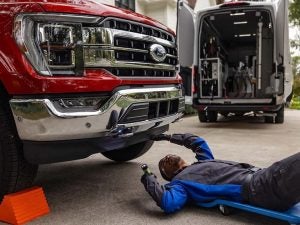
A Ford mobile service taking place at someone's home.

Keeping Your Ford Running Smoothly: Essential Maintenance Tips

As your Ford dealer, we offer a complete range of services to keep your vehicle in good condition. Regular maintenance reduces vehicle operating costs and extends its life so you can enjoy your Ford for many years to come. We want to tell you more about a few examples of the Ford maintenance we provide. more Examples of Ford Maintenance Available at Your Ford Dealer Wheel Balancing Correct wheel balancing is important as it lets them grip the surface firmly, making driving safer and easier. In addition, balanced tires suffer less wear and tear as surface friction damage is equalized across the tread. As time passes, your tires can become unbalanced due to lost tire weights or other issues. We correct this problem by attaching each tire to our computerized balancing machine. This machine spins the tire at high speed to mimic driving and then analyzes the results. A balanced tire's center of gravity should be located around its hub. The machine will identify balance issues, which our technicians correct by adding weight to the affected areas to bring them back into line. Timing Belt Replacement Your Ford has several belts, but the timing belt is the most important. This belt, made from tough, reinforced rubber, connects the camshaft at the top of the engine to the crankshaft at the bottom. The belt moves at a precisely timed speed, synchronizing the movements of the two engine sections. As time passes, the belt can become worn or damaged. It can also partially slip off its pulley, disrupting the engine timing. If the belt is damaged or not working correctly, you'll hear ticking noises, feel engine vibrations, or suffer repeated engine misfiring. Once the belt is replaced, your engine will work efficiently again. Brake Servicing The brakes are one of your most important safety systems, giving you full control over your speed. The braking system is mechanical, depending on force and pressure to work effectively. Force and pressure generate heat, and these conditions increase wear and tear on system components. In addition, brake components, like the pads, gradually wear out and become less effective. Our technicians examine and test all braking components to ensure they're in good condition and working efficiently. The system is checked for leaks and tested to ensure it operates at the correct pressure. Your brake fluid is also drained and replaced. Book your maintenance by contacting us at Cloninger Ford in Salisbury, NC.

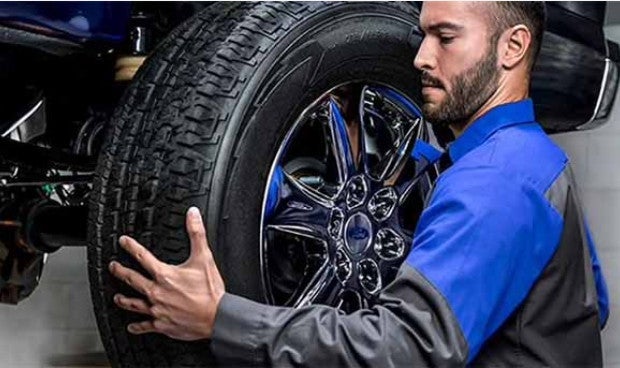
Ford Service tech replacing a tire

Ford Service 101: Maintaining Your Vehicle for Longevity

Ensuring your car runs as long as possible isn't just something your Ford dealership's maintenance team can do: it's something we're deeply passionate about. Fortunately, Ford service is easy to schedule, affordable, and, when done properly by professionals, can keep your car running smoothly for years or even decades to come. A Ford Dealership's Guide to Longevity-Enhancing Ford Service Oil Service Whether you drive hundreds of miles every day or a dozen miles every month, your Ford will need regular oil changes for performance and longevity. Motor oil lubricates your engine, and oil breaks down over time even if it's not in use, so it's important to change your oil when you hit either the mileage or the month mark. more Brake Service Making sure your Ford stops smoothly in the minimal possible distance is critical for safety. Your owner's manual will give regular intervals to have your brake pads, rotors, calipers, lines, and fluids checked, but if you notice any issues at all with your braking, schedule service sooner. Transmission Service As part of your drivetrain, your transmission needs periodic service to make sure it's working smoothly and safely. Our team will inspect your fluids, check the pan for excess shavings and debris, and, if needed, dive deeper to detect and mitigate any problems, so your Ford can run smoothly for years to come. Balance and Rotate Tires Due to a number of factors, your tires tend to wear unevenly; typically, drive-wheel tires wear faster than non-drive-wheel tires, and the left front tire wears more quickly than the right front due to the added weight of the driver. Rotating your tires periodically ensures that they last as long as possible. Battery Service No battery lasts forever, and batteries are taxed extra hard in extreme weather conditions (even more so in summer than in winter). Having your battery tested and, if needed, replaced, can spare you from breakdowns and ensure worry-free driving all year long. A/C Service If your Ford's A/C isn't working exactly how it should and not blowing ice-cold air the way you expect, get it checked. A straining air conditioner system can cause a decrease in performance and an increase in fuel usage due to inefficiency. Get your A/C charged and seal-tested to make sure you're in good shape. Need Service Sooner? If your Ford isn't behaving right or performing as expected, or if you see, hear, or feel anything that has suddenly changed with your Ford, bring it in for service immediately. When you drive a Ford, you drive a legacy of dependability. And when you let a great maintenance team care for that Ford, you help ensure it can be there for you for years to come. Book your next service appointment today at Cloninger Ford in Salisbury, NC.

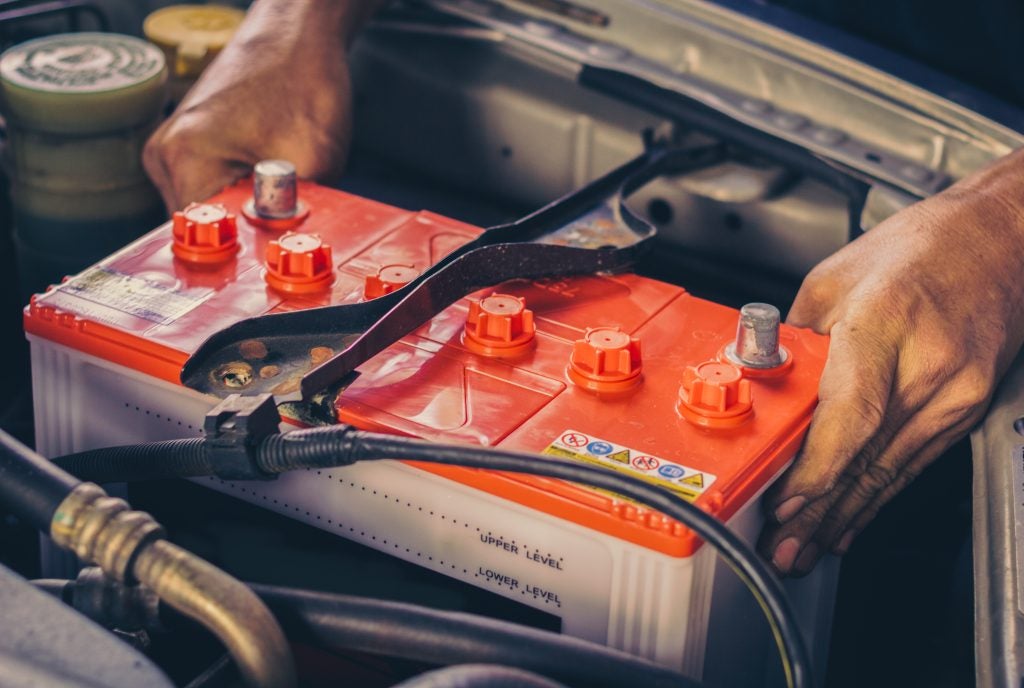
Service technician installing car battery in Salisbury, NC

Recognizing the Signs of a Failing Car Battery in Your Ford

Few things are as frustrating as dealing with a failing car battery. Fortunately, you can visit your local Ford dealership for a tune-up, and if necessary, you can obtain a new car battery. In some cases, the problem might lie elsewhere. more How to Tell You Need a New Car Battery From Your Ford Dealership Dim Lighting One of the first signs that your Ford's battery is dying is when the lights are too dim. Normally, lighting should appear bright when a door or the trunk is open. However, a failing battery can cause flickering headlights or dim interior and exterior lights. Engine Starts Slowly or Not at All Your engine should turn upon start-up, but if it starts slowly while making a clicking sound, your battery might be failing. You can also tell that it needs to be replaced if your engine fails to start up at all. Your ignition needs sufficient energy to start up your Ford, but it can't do that with a bad battery. Electrical Issues All of the electrical components of your Ford should immediately work, but this is not the case with a failing battery. You can tell that it's dying when you have issues like your infotainment system not booting up, your phone not charging when plugged in, or your windows not opening or closing at the press of a button, among others. If only one of these is an issue, check under your vehicle's hood to be sure of the culprit. Connectors Have Corrosion Over time, batteries go bad, and their connectors may show corrosion. Look under your car's hood and check them; if you notice a greenish or whitish powdery substance, this is indeed the case. Get a replacement as soon as possible. Warping on the Battery Case When a car battery is worn and failing, its case may start to warp and bulge. This is a sign that you need to replace it immediately to prevent it from exploding, which can cause battery acid to leak inside your engine. Normally, car batteries are rectangular, but your guard should be up if you notice its shape protruding. If your vehicle isn't running smoothly, a new battery might be the solution. Contact us at Cloninger Ford in Salisbury, NC to get a replacement. We're here to provide you with everything you need for your wheels.

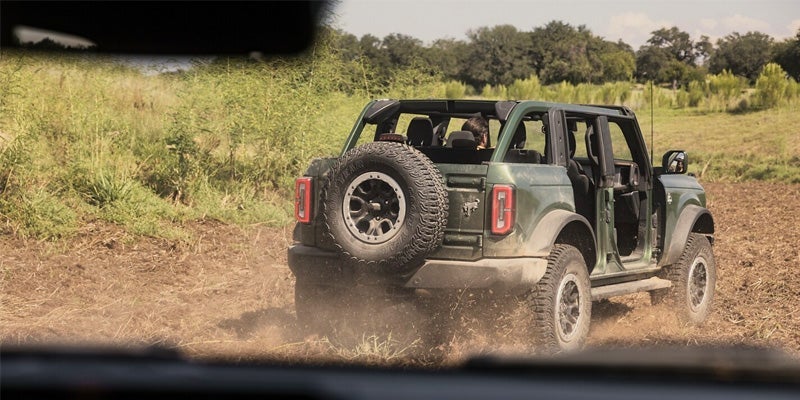
A green 2024 Ford Bronco driving through the mud on a sunny day after having a suspension repair performed

Visit Your Dealership: Suspension Repair for Your Ford

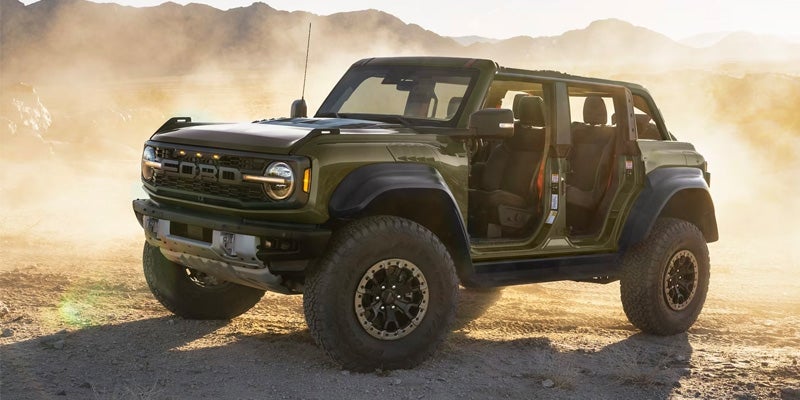
The suspension in your car helps it smooth out all the bumps in the road. Ford suspensions are renowned for their ability to handle off-road terrain using a wider range of movement. You can cruise over tree roots, rocks, and rugged hills without batting an eye. But suspension repair is crucial to maintaining your ride. Without it, you can easily lose control of the wheel. Learn the dos and don'ts of fixing the suspension from your local Ford dealership. What Is the Suspension? The suspension improves your ride in several ways. It increases contact between the tires and the road to maximize traction, stabilizes the interior to help you sit still, and allows you to corner while minimizing body roll. The coil springs absorb any variances in the ground surface, while the shock absorbers prevent it from affecting the rest of the vehicle. They are your first line of defense against vibrations. The control arms secure the suspension to the wheels, and the ball joints limit lifting when turning right or left. more Suspension Problems and Warning Signs A new suspension system should take bumps in stride, but mechanical damage, rust, and loose connections will turn your ride into a game of pinball. When the suspension fails to absorb the vibrations, the bumps will rattle the steering wheel, making the vehicle harder to control. You may hear loud clunking noises or notice irregular tire wear. The car can also pull to the side if one set of wheels becomes unstable. Find Suspension Repair at Your Local Ford Dealership You need a working suspension to keep your hands on the steering wheel and the tires on the road. There's not much you can do to repair a broken set of coil springs or shock absorbs. The parts will need to be replaced or retightened to improve stability. If you have trouble steering or notice more vibrations than usual, take your Ford to our shop for a tune-up. One of our experienced mechanics will inspect your suspension system and recommend the necessary repairs. A part or all of the strut may need to be replaced. Driving off-road or over potholes will wear down the suspension faster than driving on paved roads. You can't do your job when the interior is shaking. Poor suspension can also increase your risk of accidents. Visit Cloninger Ford in Salisbury, NC, to have your Ford suspension system inspected by a professional.

Certified Ford Service Technician installing OEM Parts on a Ford vehicle

Maximizing Your Ford's Performance with OEM Parts

Your local Ford dealership can help you out with a lot of things, including getting OEM parts for your vehicle. These OEM components are much better for your vehicle than aftermarket parts, and they can truly help you maximize your vehicle's performance. Maximizing Your Ford's Performance with OEM Parts From Your Ford Dealership Quality Assurance When you choose OEM components to replace parts in your car, they're guaranteed to be high quality. Ford screens and evaluates parts rigorously to make sure the quality never drops below a certain standard. Because these parts are so high-quality, you know they're going to function well and make sure your car performs excellently. more Made for Your Car Components that aren't from the original equipment manufacturer aren't guaranteed to work specifically for your vehicle. Instead, these parts are generic and made to work decently in as many cars as possible. Because they're not made for your specific car, they might not allow your car to perform at its highest capacity. OEM components are always made for your specific car model, or for various Ford models with the same requirements, so you know they're going to perform well. OEM components are also guaranteed to work perfectly with the other components already in your car. A Perfect Fit Because OEM components are made specifically for Ford models, they're guaranteed to fit without any adjustments. Sometimes aftermarket parts need a little tweaking before they can fit into your vehicle, and even then, they won't always fit as well as OEM components do. Ill-fitting parts may cause performance issues, but OEM components that fit perfectly won't cause any trouble. Dealer Installed The technicians at your local Ford dealer work on Ford vehicles day in and day out. They know these vehicles extremely well, and they understand the unique aspects of Ford cars. Because your parts are being installed by somebody who knows exactly what they're doing and exactly what your Ford needs to perform at its best, you'll drive away from your service appointment knowing that your Ford is going to continue running smoothly and strongly for many years. Other Great Reasons to Choose OEM Components To Save Money OEM components are designed to last for many years and work without problems. Because you won't have to replace them often, you'll save money in the long run. To Save Time There are so many different aftermarket parts available that it can take a lot of time to find one that will fit your vehicle, and then you need to find someone to install it. With OEM components, you know you can head straight to the dealer to acquire the part and get it installed. Visit Cloninger Ford in Salisbury, NC to get new parts for your car today. You can also order parts online through our website.

Red bottles of Ford Synthetic oil for oil change on vehicle

How Often Should Your Ford Get an Oil Change?

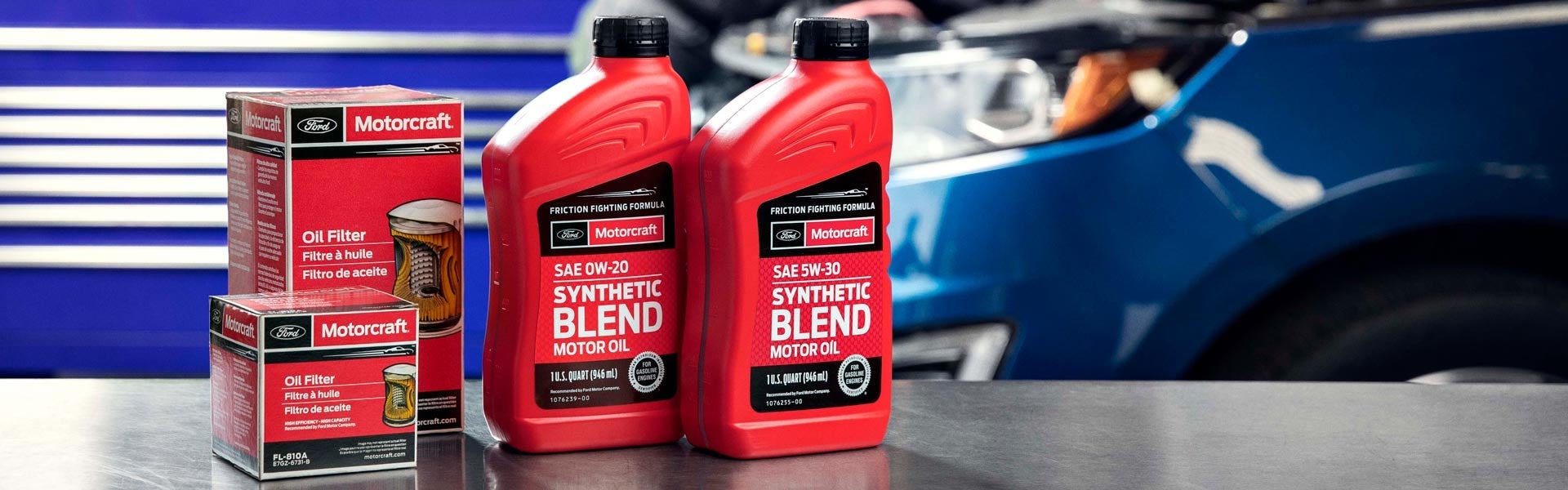
One of the most important tasks required to keep your Ford running smoothly is changing the oil regularly. Getting an oil change at your Ford dealership optimizes engine performance and prevents premature wear on components. How Often Should You Get an Oil Change From Your Ford Dealership? Your Ford's owner's manual stipulates the best interval for changing your oil and oil filter. With modern engine technology and advanced oil formulations, motor oil lasts longer and performs better in newer Fords. Synthetic oil can go 7,500 to 10,000 miles before needing to be changed. Today's Ford vehicles come with Ford's Intelligent Oil Life Monitoring (IOLM) system, which determines the best oil service interval. The IOLM system tracks data like engine temperatures, operating conditions, RPMs, and mileage. If your Ford has an IOLM system, you should change the oil once the light turns on. more How to Tell It's Time to Change Your Oil Factors like towing, frequent idling, driving short distances, and old age can cause your oil to degrade quickly. If your Ford doesn't have an oil life monitor, watch out for these signs of oil degradation: Low oil levels Dark or sludgy oil Unusual engine noises Excessive exhaust smoke Oil leaks under your car Check engine light comes on If you notice these signs, schedule an immediate oil service, even if your Ford is still within the standard interval window. Allowing the oil to degrade completely can damage engine components and lead to costly repairs. Benefits of Changing Your Oil Regularly Improve Engine Efficiency Getting fresh oil regularly removes sludge, metal shavings, fuel byproducts, and other contaminants that build up in the oil. This allows the new, clean oil to circulate freely through the engine pistons, bearings, and valve train components. The clean motor oil minimizes friction and drag, enabling the engine to operate at peak efficiency. Boost Fuel Economy Letting your engine oil degrade causes it to thicken and lose its lubricating properties. This increases friction on critical engine parts, which forces the engine to burn more fuel to produce the same power. Prevent Overheating and Damage After months of heat cycling, engine oil breaks down and loses its ability to transfer heat efficiently. This is why the engine overheats if you wait too long to change the oil. Fresh oil maintains optimal viscosity and is able to absorb heat from the engine efficiently. Preserves Your Ford's Warranty You should perform regular oil and filter changes as recommended by Ford to preserve your warranty. If some engine parts overheat and fail because you failed to change your oil and filter on time, your warranty won't cover the repairs. Change your motor oil regularly to optimize your Ford's performance. Contact Cloninger Ford to schedule a comprehensive oil service for your vehicle.

2024 Ford Escape Plug In Hybrid driving down city street

5 Signs Your Ford Needs a New Car Battery

Even the most dependable cars require regular maintenance, and an important part of your regular maintenance should be your car battery. We understand the importance of your Ford's battery in ensuring a smooth and safe driving experience, so we want to let you in on the signs that you need a new car battery from your Ford dealer. 5 Signs You Need a New Car Battery From Your Ford Dealer The Engine Cranks Slowly One of the first signs that your Ford might need a new battery is when the engine cranks slowly. When you turn the ignition key, and the engine turns over sluggishly, it's often due to the battery losing its charge. This slow cranking is a clear indication that the battery is not providing the necessary power to start the engine efficiently, so come see us to get it checked out. more The Check Engine or Battery Light Comes On When the check engine or battery light illuminates on your dashboard, your battery could be underperforming. This light is normally triggered when the battery's voltage falls below normal levels, signaling that it might be time for a battery check or replacement. You Notice a Swollen Battery Case A swollen battery case is a visible and alarming sign of battery failure. This swelling can result from exposure to extreme temperatures, leading to the warping or cracking of the battery case. If you notice any bulging or deformity in your Ford's battery case, it's crucial to address it immediately. The internal components of the battery are compromised, and the consequences could be very serious. There Are Electrical Component Issues Your Ford's battery is the power source for all its electrical components, so if you start experiencing issues with these components – such as dimming headlights, flickering dashboard lights, or power windows that operate slower than usual – you might have a failing battery on your hand. It's essential to get these checked, as they not only impact your driving experience but can also be safety hazards. The Battery Is Getting Old A typical car battery has a lifespan of about 3 to 5 years, depending on usage and environmental conditions. If your Ford's battery is within this age range, get it checked regularly. Older batteries are more prone to failure and might need replacement, even if they haven't shown other signs of malfunction. At Cloninger Ford of Salisbury, we prioritize your vehicle's health and your safety. Our service center is equipped to handle comprehensive battery checks, repairs, and replacements. If you're experiencing any of these signs, or if it's just time for a routine check-up, come to Cloninger Ford of Salisbury, right away.

2024 Ford Bronco with new tires

Does Your Ford Need New Tires?

As a Ford owner, it's essential to prioritize the safety and performance of your vehicle. One important aspect of car maintenance is recognizing when your tires need to be replaced. Worn or damaged tires can compromise your car's ability to respond to your inputs, impacting handling, steering, and braking. Here's some info from your Ford dealer to help you recognize when it's time for new tires. Tips From Your Ford Dealer On When Your Ford Needs New Tires Age of the Tires The age of your tires is an important factor to consider when determining they need to be replaced. While the lifespan of tires can vary, a general guideline is to replace them after six years. To check the area of your tires, locate the 16-digit tire identification number printed on the sidewall. The last four digits indicate the week and year of manufacture. If your tires are close to or beyond the recommended life span, it's time to shop for new ones. more Tread Depth Test Checking the tread depth of your tires is a simple yet effective way to determine if they need to be replaced. The National Highway Traffic Safety Administration (NHTSA) recommends replacing tires when the tread depth reaches 2/23 of an inch. To perform the penny test, take a penny and insert it into the tread with Abraham Lincoln's head facing down. If the top of Lincoln's head is visible, it's an indication that your tires are worn down and need to be replaced. Remember that tread wear is just one aspect of tire condition, so keep an eye out for other signs as well. Tire Tread Indicators Most tires have tread wear indicators embedded in the rubber near the outer edge. These indicators serve as a visual cue to check the condition of your tires. When your tread is worn down, these indicators become easily visible and may also produce noise on the road. Pay attention to any noise or unusual sound coming from your tires, as they can prompt you to check the tread wear indicators. If these indicators are visible or make noise, it's a strong indication that you should replace your tires. Vibration Paying attention to the vibrations while driving can help you catch tire problems before they escalate. Excessive vibration can indicate tire damage or misalignment. If you feel unusual vibrations, particularly at higher speeds, it's crucial to get your tires checked. Vibrations can also be a symptom of suspension issues, which can lead to premature tire wear. If you experience consistent vibrations, have your tires and suspension system inspected by a professional to ensure your safety on the road. Swing by Cloninger Ford and let our knowledgeable associates inspect your tire today.

Contact Us

Fill out this form below and we'll contact you shortly
*Required Fields