

Cloninger Ford of Salisbury

Blog / Cloninger Ford of Salisbury Service

Visit Your Dealership: Suspension Repair for Your Ford

A green 2024 Ford Bronco driving through the mud on a sunny day after having a suspension repair performed

The suspension in your car helps it smooth out all the bumps in the road. Ford suspensions are renowned for their ability to handle off-road terrain using a wider range of movement. You can cruise over tree roots, rocks, and rugged hills without batting an eye. But suspension repair is crucial to maintaining your ride. Without it, you can easily lose control of the wheel. Learn the dos and don'ts of fixing the suspension from your local Ford dealership.

What Is the Suspension?

The suspension improves your ride in several ways. It increases contact between the tires and the road to maximize traction, stabilizes the interior to help you sit still, and allows you to corner while minimizing body roll.

The coil springs absorb any variances in the ground surface, while the shock absorbers prevent it from affecting the rest of the vehicle. They are your first line of defense against vibrations. The control arms secure the suspension to the wheels, and the ball joints limit lifting when turning right or left.

Suspension Problems and Warning Signs

A new suspension system should take bumps in stride, but mechanical damage, rust, and loose connections will turn your ride into a game of pinball. When the suspension fails to absorb the vibrations, the bumps will rattle the steering wheel, making the vehicle harder to control. You may hear loud clunking noises or notice irregular tire wear. The car can also pull to the side if one set of wheels becomes unstable.

Find Suspension Repair at Your Local Ford Dealership

You need a working suspension to keep your hands on the steering wheel and the tires on the road. There's not much you can do to repair a broken set of coil springs or shock absorbs. The parts will need to be replaced or retightened to improve stability.

If you have trouble steering or notice more vibrations than usual, take your Ford to our shop for a tune-up. One of our experienced mechanics will inspect your suspension system and recommend the necessary repairs. A part or all of the strut may need to be replaced. Driving off-road or over potholes will wear down the suspension faster than driving on paved roads.

You can't do your job when the interior is shaking. Poor suspension can also increase your risk of accidents. Visit Cloninger Ford in Salisbury, NC, to have your Ford suspension system inspected by a professional.

Posted in:

Related Posts

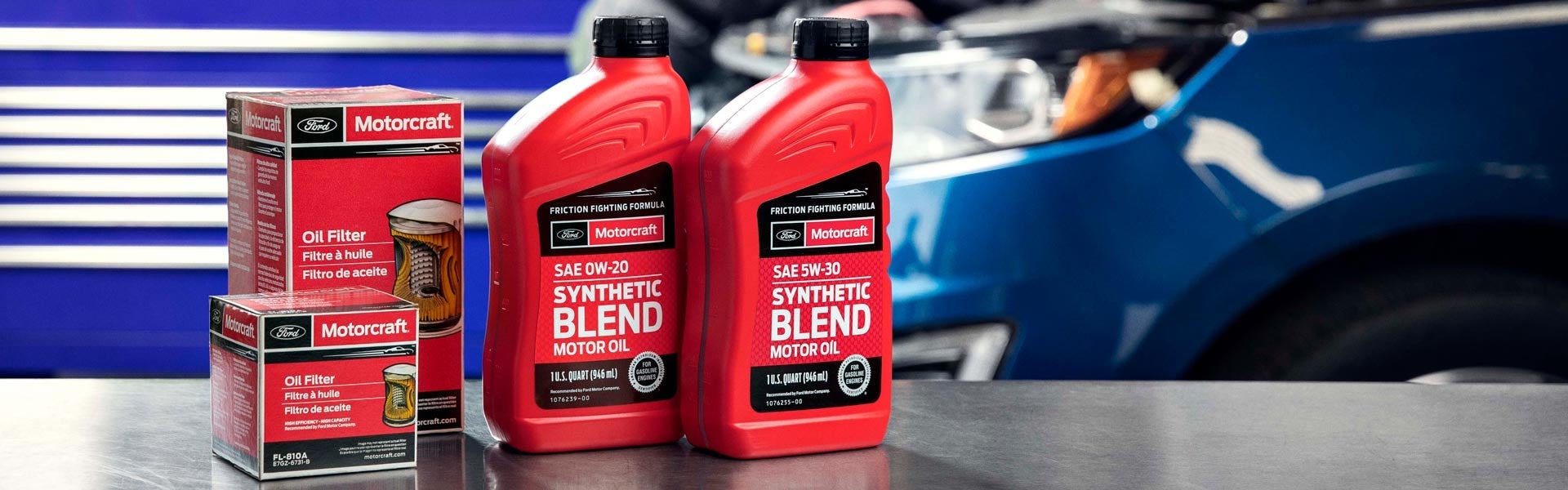
Red bottles of Ford Synthetic oil for oil change on vehicle

How Often Should Your Ford Get an Oil Change?

One of the most important tasks required to keep your Ford running smoothly is changing the oil regularly. Getting an oil change at your Ford dealership optimizes engine performance and prevents premature wear on components. How Often Should You Get an Oil Change From Your Ford Dealership? Your Ford's owner's manual stipulates the best interval for changing your oil and oil filter. With modern engine technology and advanced oil formulations, motor oil lasts longer and performs better in newer Fords. Synthetic oil can go 7,500 to 10,000 miles before needing to be changed. Today's Ford vehicles come with Ford's Intelligent Oil Life Monitoring (IOLM) system, which determines the best oil service interval. The IOLM system tracks data like engine temperatures, operating conditions, RPMs, and mileage. If your Ford has an IOLM system, you should change the oil once the light turns on. more How to Tell It's Time to Change Your Oil Factors like towing, frequent idling, driving short distances, and old age can cause your oil to degrade quickly. If your Ford doesn't have an oil life monitor, watch out for these signs of oil degradation: Low oil levels Dark or sludgy oil Unusual engine noises Excessive exhaust smoke Oil leaks under your car Check engine light comes on If you notice these signs, schedule an immediate oil service, even if your Ford is still within the standard interval window. Allowing the oil to degrade completely can damage engine components and lead to costly repairs. Benefits of Changing Your Oil Regularly Improve Engine Efficiency Getting fresh oil regularly removes sludge, metal shavings, fuel byproducts, and other contaminants that build up in the oil. This allows the new, clean oil to circulate freely through the engine pistons, bearings, and valve train components. The clean motor oil minimizes friction and drag, enabling the engine to operate at peak efficiency. Boost Fuel Economy Letting your engine oil degrade causes it to thicken and lose its lubricating properties. This increases friction on critical engine parts, which forces the engine to burn more fuel to produce the same power. Prevent Overheating and Damage After months of heat cycling, engine oil breaks down and loses its ability to transfer heat efficiently. This is why the engine overheats if you wait too long to change the oil. Fresh oil maintains optimal viscosity and is able to absorb heat from the engine efficiently. Preserves Your Ford's Warranty You should perform regular oil and filter changes as recommended by Ford to preserve your warranty. If some engine parts overheat and fail because you failed to change your oil and filter on time, your warranty won't cover the repairs. Change your motor oil regularly to optimize your Ford's performance. Contact Cloninger Ford to schedule a comprehensive oil service for your vehicle.

2024 Ford Escape Plug In Hybrid driving down city street

5 Signs Your Ford Needs a New Car Battery

Even the most dependable cars require regular maintenance, and an important part of your regular maintenance should be your car battery. We understand the importance of your Ford's battery in ensuring a smooth and safe driving experience, so we want to let you in on the signs that you need a new car battery from your Ford dealer. 5 Signs You Need a New Car Battery From Your Ford Dealer The Engine Cranks Slowly One of the first signs that your Ford might need a new battery is when the engine cranks slowly. When you turn the ignition key, and the engine turns over sluggishly, it's often due to the battery losing its charge. This slow cranking is a clear indication that the battery is not providing the necessary power to start the engine efficiently, so come see us to get it checked out. more The Check Engine or Battery Light Comes On When the check engine or battery light illuminates on your dashboard, your battery could be underperforming. This light is normally triggered when the battery's voltage falls below normal levels, signaling that it might be time for a battery check or replacement. You Notice a Swollen Battery Case A swollen battery case is a visible and alarming sign of battery failure. This swelling can result from exposure to extreme temperatures, leading to the warping or cracking of the battery case. If you notice any bulging or deformity in your Ford's battery case, it's crucial to address it immediately. The internal components of the battery are compromised, and the consequences could be very serious. There Are Electrical Component Issues Your Ford's battery is the power source for all its electrical components, so if you start experiencing issues with these components – such as dimming headlights, flickering dashboard lights, or power windows that operate slower than usual – you might have a failing battery on your hand. It's essential to get these checked, as they not only impact your driving experience but can also be safety hazards. The Battery Is Getting Old A typical car battery has a lifespan of about 3 to 5 years, depending on usage and environmental conditions. If your Ford's battery is within this age range, get it checked regularly. Older batteries are more prone to failure and might need replacement, even if they haven't shown other signs of malfunction. At Cloninger Ford of Salisbury, we prioritize your vehicle's health and your safety. Our service center is equipped to handle comprehensive battery checks, repairs, and replacements. If you're experiencing any of these signs, or if it's just time for a routine check-up, come to Cloninger Ford of Salisbury, right away.

Photo by Mike B

Does Your Ford Need a Radiator Repair?

Your Ford's radiator has the important job of removing engine heat. An engine is extremely hot due to combustion and the movement of hundreds of fast-moving parts. If this heat isn't removed it will damage your engine. The radiator takes in the heat from your engine and exchanges it for cooler outside air. If your radiator is damaged, your Ford dealer can repair or replace it. We'd like you to know some signs that you need a radiator repair. Signs You Need a Radiator Repair at Your Ford Dealer Leaking Coolant Coolant is essential for your engine as it absorbs heat and takes it to the radiator where it's cooled. This liquid is pumped through the engine at high speed and under high pressure. Once the coolant enters the radiator, it flows into parallel lines of radiator tubes. Air flows over the radiator tubes and cools the hot coolant inside them. more Any damage or wear to the cooling system can result in a leak. A coolant leak is usually easy to see as coolant is pink, yellow, green, or blue. Any loss of coolant will reduce the pressure in the cooling system and increase the temperature in your engine. We can trace a leak and permanently seal it to fix this problem. Worn Radiator Cap Seals The radiator cap screws into the top of the radiator and has two seals to provide an airtight fit. This cap controls the pressure in the cooling system and prevents coolant from leaking out. If the pressure rises too high, the cap will open and bleed off some of the pressure and then close again. We check the radiator cap seals during your scheduled services. If the seals aren't checked, they will gradually shrink due to the heat and pressure. Worn radiator seals allow coolant to escape. Escaping coolant will decrease the pressure and slow down the cooling system. You can see evidence of a coolant leak in the white streaks below a failed radiator cap. We will replace the seals to fix this problem. Blocked Radiator Tubes The radiator tubes are made from aluminum and are arranged in parallel lines in the front of the radiator. As we've seen, hot coolant flows into the tubes and is cooled by airflow. Twigs, leaves, and other debris can also blow in through the radiator grille and block the spaces between the tubes. This debris acts as an insulator, keeping the heat inside the tubes and preventing its removal by cooler air. We can easily clean the tubes to remove this debris, and the cooling system will work effectively again. Don't risk your engine overheating. Call our service department today at Cloninger Ford of Salisbury.