Cloninger Ford of Salisbury

Blog / Cloninger Ford

Blog

All Cloninger Ford Salisbury Ford Dealer Salisbury NC Cloninger Ford of Salisbury Service Things to do Salisbury Ford Service Food Ford SUVs & Crossovers Ford Truck Ford Cars Attractions near Salisbury Restaurants Salisbury Used Cars Ford Bronco 2023 Ford Ford F-150 Ford Mustang takeout salisbury 2024 Expedition 2024 Ford Edge 2025 Ford F-150 Explorer Ford Edge Ford Escape Life in Salisbury Museum Takeout 2021 Ford EcoSport 2021 Ford Escape 2021 Ford Explorer 2021 Ford Ranger 2024 Ford Bronco Sport 2025 Ford Bronco 2025 Ford Bronco Sport 2025 Ford Escape 2025 Ford Expedition 2025 Ford Explorer 2025 Ford Ranger Car Battery Service ice cream Mexican Technology 2020 Ford Escape 2020 Ford Explorer 2020 Ford Fusion 2020 Ford Mustang 2021 Ford F-150 2021 Ford F-250 Super Duty 2021 Ford F-350 2021 Ford Mustang 2022 Ford 2022 Ford F-250 Super Duty 2023 Ford Bronco Sport 2023 Ford Mustang 2023 Ford Ranger 2024 Ford F-150 Lightning 2024 Ford Maverick 2025 Ford Mustang Boone's Cave Park Cafe Commercial Vehicles Ford Transit Frozen Custard Frozen Yogurt NC smoke pit transportation museum
2025 Ford Maverick

How Ford Pro Power Onboard Changes What You Can Do with a Truck

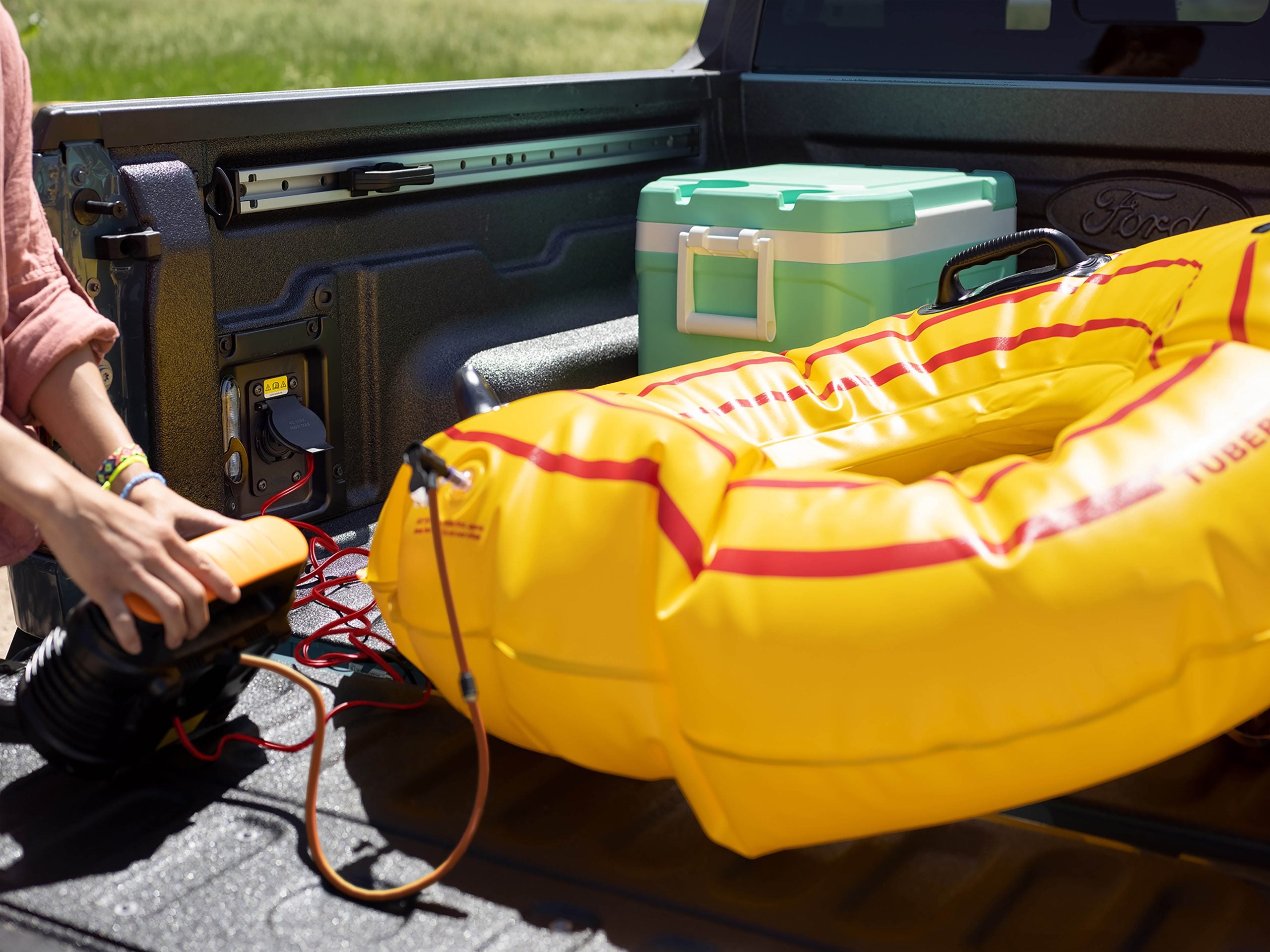
Most trucks have always had a single outlet tucked somewhere in the cab, good for charging a phone or running a small light. Ford Pro Power Onboard is something entirely different. Built directly into the F-150's architecture, it turns your truck into a functioning mobile generator capable of powering tools, appliances, and job site equipment from the bed or cab without a separate generator in tow. For drivers in Rowan County who work on job sites, head outdoors on weekends, or want a truck that does more than haul, this feature changes the equation. more Three Output Levels for Three Different Needs Ford Pro Power Onboard comes in three configurations, and the right one depends on what you actually need to run. The 2.0 kW system is available on gas-engine F-150 models equipped with the 2.7L EcoBoost V6, the 3.5L EcoBoost V6, or the 5.0L V8. It delivers power through two 120V/20A outlets in the truck bed, enough to run a reciprocating saw, hammer drill, jigsaw, or sander, and the truck's cabin outlets provide 400 watts for smaller devices on the instrument panel and center console regardless of which tier you choose. The 2.4 kW system is standard on F-150s equipped with the 3.5L PowerBoost Full Hybrid V6 and adds the capacity to run a microwave alongside the tools the 2.0 kW handles. What makes this tier stand out is runtime: at its maximum load, the 2.4 kW system runs for up to 85 hours on a full tank of gas, making it a serious asset for extended remote work or multi-day camp trips. The 7.2 kW system is the top tier, available as an option on PowerBoost Hybrid models and the F-150 Platinum Plus. It delivers 7,200 watts through four 120V/20A outlets and one 240V/30A outlet. For reference, a typical portable generator produces around 3,500-4,000 watts. The 7.2 kW system can simultaneously power a plasma cutter, TIG welder, chop saw, air compressor, angle grinder, and work light, and it does so for up to 32 hours at maximum load on a full tank of gas. That is a full working day and then some, without refueling or swapping equipment. What Does This Mean in Practice? Is this feature practical only for contractors? Not at all. The Ford truck power outlet system covers a wide range of situations. On a job site without utility power run yet, a single F-150 with the 7.2 kW system can power an entire framing crew's tool setup. At a campsite, it runs lights, a portable heater, a cooler, and speakers from the same truck that hauled the trailer there. During a tailgate, it powers a television, a blender, and sound equipment. Ford also designed the system to operate while the truck is moving, so devices can charge or run on the way to the job site or trail. The truck can be locked while idling in generator mode, providing overnight security when the system is running unattended. Monitoring is handled through the 12-inch center touchscreen or the FordPass app, both of which display real-time wattage draw and alert you if total load approaches the system's limit. The Ford truck power outlet system manages load automatically, and if a circuit is tripped, it can be reset directly from the truck bed's outlet panel on the 7.2 kW system. Find the Right F-150 Configuration in Salisbury Choosing between the three output tiers comes down to how you use your truck day to day. Drivers in Salisbury, Kannapolis, and Lexington who need basic job site capability or a weekend power source will likely find the 2.0 kW system sufficient. Those running a crew or working in remote locations will benefit from the PowerBoost Hybrid and its 2.4 kW or 7.2 kW output. The team at Cloninger Ford on Jake Alexander Boulevard can walk you through which F-150 configurations include Ford Pro Power Onboard and help you match the right output level to the work you do. It is one of the most practical capabilities on any truck in the segment, and Cloninger Ford has the inventory to put you in the right one. Frequently Asked Questions About Ford Pro Power Onboard What are the output levels for Ford Pro Power Onboard on the F-150? The F-150 offers 2.0 kW, 2.4 kW, and 7.2 kW configurations. The 2.0 kW is available on select gas engines, the 2.4 kW is standard on the PowerBoost Hybrid, and the 7.2 kW is optional on PowerBoost models and standard on the Platinum Plus. How long can the Ford Pro Power Onboard system run on a full tank? At maximum load, the 2.4 kW system runs up to 85 hours and the 7.2 kW system runs up to 32 hours on a full tank of gas. At lighter loads, runtime extends further. What does the Ford truck power outlet system actually power? Depending on the tier, the Ford truck power outlet can run circular saws, drills, compressors, microwaves, welders, televisions, and camping appliances. The 7.2 kW system can run a plasma cutter, TIG welder, chop saw, and air compressor simultaneously. Can I use Ford Pro Power Onboard while driving? Yes. The system operates while the truck is in motion, allowing tools and devices to charge or run on the way to a job site or campground.
2023 F-150 Raptor

Ford F-150 vs. RAM 1500: Which Full-Size Truck To Choose?

Shopping for a full-size pickup truck means choosing between trucks that have earned loyal followings for very different reasons. The Ford F-150 vs Ram 1500 debate is one of the most common conversations in the segment, and both trucks make a compelling case. For drivers in the Salisbury area weighing their options, here is a straightforward look at how the two stack up, and where the 2026 F-150 pulls ahead. more Towing and Payload: Where the Numbers Matter For the best full size truck in terms of raw capability, the 2026 F-150 sets the benchmark. With the available 3.5L EcoBoost V6, it reaches a maximum towing capacity of 13,500 pounds when properly equipped and a best-in-class maximum payload of 2,440 pounds. The 2026 RAM 1500 tops out at 11,610 pounds of towing with its 3.0L Hurricane inline-six and 2,360 pounds of payload. Both are capable trucks for everyday hauling, but if you regularly tow boats, enclosed trailers, or heavy equipment near Salisbury, the F-150's ceiling is meaningfully higher. That advantage matters when you're towing at or near the limit, which is exactly when capacity differences show up. Engine Options: Five vs. Four Can a truck offer both power and efficiency without sacrifice? The F-150's five-engine lineup makes a strong case. The entry 2.7L EcoBoost V6 delivers 325 horsepower and 400 lb-ft of torque while returning up to 20 city/24 highway MPG. The 3.5L PowerBoost Full Hybrid V6 produces 420 horsepower and 578 lb-ft of torque, achieves up to 18 city/24 highway MPG, and unlocks Pro Power Onboard, turning the truck into a mobile generator capable of up to 7.2 kilowatts of exportable power. The RAM 1500 counters with four engine options including the returning 5.7L HEMI V8 at 395 horsepower and the high-output Hurricane inline-six at 540 horsepower, which is impressive. The RAM does not, however, offer a full hybrid or electric model that pairs that kind of power with meaningful fuel savings. Technology and Driver Assistance What separates the F-150 from the RAM 1500 in the cab? The 2026 F-150 now brings BlueCruise hands-free highway driving to more trim levels than ever, including select XLT, Lariat, King Ranch, and Platinum models. BlueCruise allows the F-150 to steer, accelerate, and brake hands-free on over 130,000 miles of pre-qualified divided highways across North America, using a driver-facing camera to confirm attention. The RAM 1500's Active Driving Assist is a capable lane-centering and adaptive cruise system, but it requires the driver's hands on the wheel at all times and does not offer hands-free highway operation. For Rowan County drivers who spend time on the highway during long hauls, that distinction translates to real comfort on longer drives. The F-150 also offers Pro Trailer Backup Assist, which lets you steer a trailer in reverse using a simple knob rather than manual judgment. The Bottom Line for Salisbury Drivers The RAM 1500 is a genuinely strong truck with a refined ride, a loyal following, and the return of the HEMI V8 for 2026. But when it comes to the Ford F-150 vs Ram 1500 matchup on the metrics that define the best full size truck, the F-150 leads in maximum towing, maximum payload, engine variety, hybrid capability, and hands-free driving technology. Kelley Blue Book named the F-150 its Best Buy in the Full-Size Trucks category for 2026, and it has been America's best-selling truck for good reason. The team at Cloninger Ford in Salisbury is ready to walk you through the full lineup and help you find the F-150 configuration that fits the way you work and drive. Frequently Asked Questions About Ford F-150 vs Ram 1500 What is the maximum towing capacity of the 2026 Ford F-150? When properly equipped with the 3.5L EcoBoost V6, the 2026 F-150 tows up to 13,500 pounds, compared to the 2026 RAM 1500's maximum of 11,610 pounds with the Hurricane inline-six. Does the 2026 F-150 have better technology than the RAM 1500? The F-150 offers available BlueCruise hands-free highway driving, which the RAM 1500 does not. The F-150 also includes available Pro Trailer Backup Assist and Pro Power Onboard as part of its broader technology advantage. Is the Ford F-150 the best full size truck for hauling? With a best-in-class maximum payload of 2,440 pounds, the 2026 F-150 leads the half-ton segment in hauling capacity, making it a strong choice for contractors and work-focused buyers. Where can I find a Ford F-150 near Salisbury, NC? Cloninger Ford on Jake Alexander Boulevard in Salisbury carries the full 2026 F-150 lineup and serves drivers throughout Salisbury, Kannapolis, Lexington, and Mooresville.

Ford Escape hybrid

Gas vs. Hybrid Ford: Costs, Driving Feel, and The Long-Term

Choosing between a gas and hybrid powertrain is one of the more practical questions a car buyer can ask. The answer depends on how you drive, how many miles you put on a vehicle, and what you're asking it to do. Understanding the gas vs hybrid Ford comparison clearly, without hype in either direction, is the best way to arrive at a decision that actually fits. more How the Two Powertrains Work A conventional gas Ford runs on a combustion engine alone. Power is generated by burning fuel, sent through a transmission, and delivered to the wheels. The experience is familiar and the repair infrastructure is widespread. A hybrid pairs a combustion engine with an electric motor and a battery pack that charges itself through regenerative braking. The system decides, moment to moment, whether to draw on gas power, electric power, or both. Most Ford hybrid models require no plugging in. The battery replenishes itself entirely through normal driving, which is why hybrid efficiency advantages are most pronounced in stop-and-go city conditions. Fuel Economy Across Ford Hybrid Models The lineup of Ford hybrid models currently spans trucks, SUVs, and compact pickups, and the efficiency gains are consistent across all of them. The Maverick hybrid uses a 2.5L four-cylinder paired with an electric motor for 191 combined horsepower. The EPA rates it at 42 MPG city and 38 MPG combined with front-wheel drive, which outpaces many compact sedans. The EcoBoost gas version of the same truck returns around 26 MPG combined. That's a gap of 12 MPG on the same vehicle. The Escape hybrid uses a 2.5L Atkinson-cycle engine and electric motor for 192 horsepower, rated at 42 MPG city and 39 MPG combined with AWD. The gas-only 1.5L EcoBoost Escape returns around 30 MPG combined in FWD configuration. The F-150 PowerBoost hybrid pairs a 3.5L twin-turbocharged V6 with an electric motor for 430 horsepower and 570 lb-ft of torque, rated up to 26 MPG. The comparable gas-only 3.5L EcoBoost in the same truck returns around 17 MPG city. On a vehicle driven 15,000 miles per year, even that smaller gap translates to hundreds of dollars annually. Does the Gas vs Hybrid Ford Difference Change How the Vehicle Feels? This is the question buyers less often think to ask. In most Ford hybrid models, the answer is nuanced. The Maverick hybrid, for instance, uses a continuously variable transmission that gives it a smooth, quiet character well-suited to city commuting. The EcoBoost version of the same truck has a more conventional powertrain feel with more immediate throttle response under hard acceleration. The F-150 PowerBoost is a different case. Because the electric motor adds torque instantly and fills gaps between combustion pulses, many drivers find it smoother and more responsive at everyday speeds than a gas-only F-150, not less. The PowerBoost also includes Pro Power Onboard, which provides up to 7.2 kW of exportable electricity through outlets in the bed, turning the truck into a mobile generator for job sites, camping, or power outages. What does the hybrid driving experience feel like on local roads? For most buyers, it feels largely like any other Ford, with quieter low-speed operation and more seamless acceleration. The transition between electric and gas modes is not noticeable in normal driving. Long-Term Cost Considerations Hybrid vehicles typically carry a higher purchase price than their gas counterparts. The Maverick hybrid starts around $28,145, while the PowerBoost option on the F-150 adds roughly $1,900 to the build. The gas vs hybrid Ford cost picture over time depends heavily on annual mileage. Higher-mileage drivers recoup the hybrid premium faster through fuel savings. Buyers who drive 20,000 or more miles per year in vehicles like the Maverick or Escape hybrid often see meaningful cumulative savings within three to four years. Lower-mileage drivers may find the gas option pencils out more favorably. Maintenance costs are comparable. Ford hybrid batteries carry an 8-year/100,000-mile warranty, and regenerative braking tends to reduce brake wear compared to gas-only vehicles. Our team at Cloninger Ford in Salisbury can walk through the numbers using your actual driving habits. Whether you're leaning toward the Maverick, Escape, or F-150, there's a gas and hybrid configuration worth comparing side by side. Frequently Asked Questions About Gas vs. Hybrid Ford Vehicles Do Ford hybrid models require plugging in? Standard Ford hybrid models, including the Maverick hybrid, Escape hybrid, and F-150 PowerBoost, do not require plugging in. The battery charges through regenerative braking while you drive. The Escape Plug-In Hybrid is the exception, offering an optional 37-mile electric-only range when charged. Is the gas vs. hybrid decision mostly about fuel savings? Fuel savings are a major factor, but not the only one. Driving feel, towing needs, and how you'll use the vehicle all matter. The F-150 PowerBoost, for example, adds both efficiency and a 7.2 kW onboard generator, which changes the value calculation for buyers who work out of their trucks. How long do Ford hybrid batteries last? Ford covers hybrid batteries with an 8-year/100,000-mile warranty. In real-world use, hybrid batteries in vehicles like the Maverick and Escape have demonstrated strong durability well beyond that threshold with routine maintenance. Which Ford hybrid models are available at Cloninger Ford? Cloninger Ford carries hybrid models including the Maverick hybrid, Escape hybrid, and F-150 PowerBoost. Inventory varies, so contact the dealership or check current stock online to see what's available in Salisbury.

2026 Ford Maverick

The 2026 Ford Maverick: Built for City and Country Roads

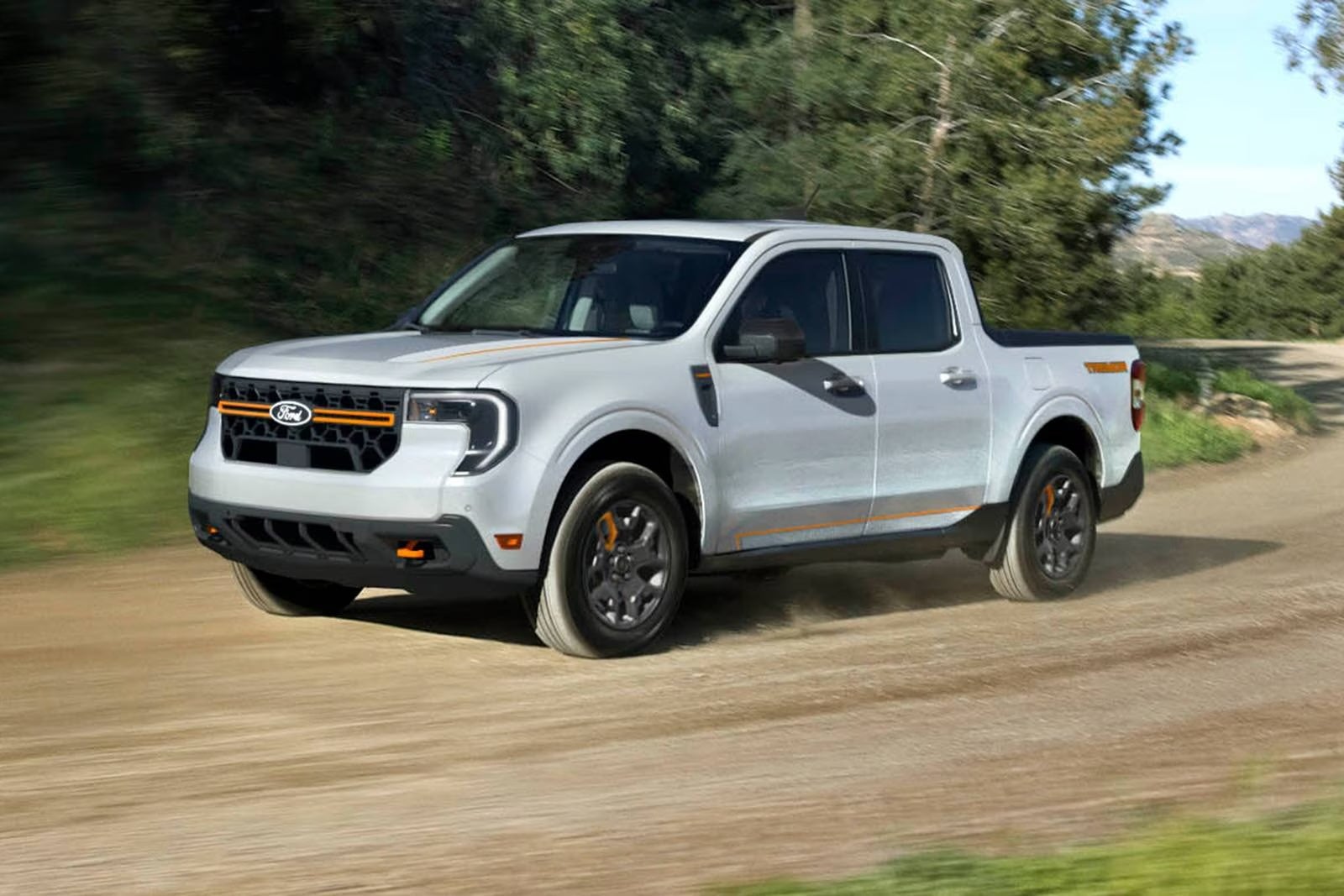
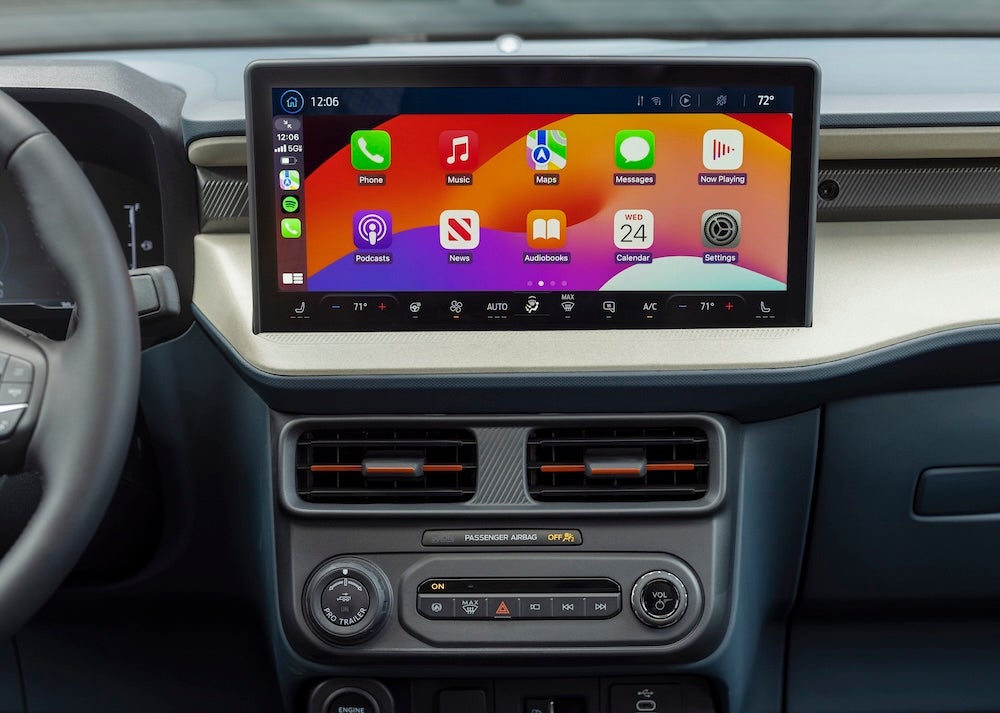
Most trucks are designed with one type of driver in mind. The 2026 Ford Maverick was built for both. At under 200 inches long, it parks where a full-size never could, earns up to 42 MPG in city driving, and still hauls a load or tows a trailer when the weekend calls for it. For drivers around Salisbury who commute into Charlotte or spend their weekends on rural roads and back-country property, the Ford Maverick occupies a genuinely useful middle ground that few vehicles can match. more Why the Maverick Works in Charlotte Traffic The case for the 2026 Ford Maverick as a city-capable vehicle starts with its dimensions. At 199.7 inches in length, it's considerably shorter than a midsize truck and parks without the maneuvering that larger pickups require in urban lots and tight downtown streets. Charlotte drivers familiar with the difficulty of finding parking in South End or Uptown will recognize immediately why that matters. Fuel economy is the other pillar of the Maverick's city appeal. The standard 2.5L full hybrid powertrain pairs a four-cylinder engine with an electric motor for 191 combined horsepower and an EPA-estimated 42 MPG in city driving, 35 on the highway, and 38 combined. That's a number typically associated with compact cars, not trucks. The hybrid uses a continuously variable transmission and charges itself through regenerative braking, so there's no plugging in required. For a driver putting in regular miles on I-85 between Salisbury and Charlotte, the fuel savings compound quickly. Is the Maverick comfortable enough for regular highway commuting? Yes. The crew cab seats five with 36.9 inches of rear legroom, and the standard 13.2-inch touchscreen runs wireless Apple CarPlay and Android Auto. The Ford Connectivity Package, now standard on all 2026 trims, includes a one-year trial of an unlimited Wi-Fi hotspot supporting up to 10 devices. Where the Maverick Earns Its Truck Credentials The Ford Maverick for sale at Cloninger Ford isn't just efficient, it's functional. The standard towing capacity is 2,000 pounds, which handles a small boat, a utility trailer, or a loaded landscaping rig. Adding the available 4K Tow Package raises that ceiling to 4,000 pounds, which opens up a wider range of work and recreational use. Payload capacity stands at 1,500 pounds with the 4.5-foot bed. What makes the Maverick's bed stand out from other compact trucks is the FLEXBED design. The bed walls include integrated slots sized to fit 2x4 and 2x6 lumber, letting you build custom dividers, elevated floors, bike racks, or kayak carriers without drilling or buying aftermarket hardware. Four D-rings, two tie-down cleats, and 12-volt power outlets pre-wired on both sides of the bed make it genuinely useful for work and hauling. For drivers who spend time off paved roads, the Tremor trim builds on the Ford Maverick for sale lineup with off-road suspension tuning, an electronically locking rear differential, Trail Control low-speed cruise, underbody skid plates, and all-terrain tires on 17-inch wheels. The XLT trim can also be equipped with the FX4 Off-Road Package, which adds performance suspension, skid plates, and all-terrain tires at a lower price point. Choosing the Right Powertrain The hybrid is the default choice for most buyers and the one that makes the strongest case as a daily driver. For those who prioritize towing capability or need more power for loaded hauling, the 2.0L EcoBoost turbocharged engine produces 250 horsepower and 280 lb-ft of torque paired with an eight-speed automatic. New for the 2026 Ford Maverick, the EcoBoost is also available in front-wheel drive configuration, which lowers the entry cost compared to the previously AWD-only setup. Our team at Cloninger Ford in Salisbury, NC can help you work through which trim and powertrain combination fits how you actually use a truck, whether that's a hybrid XLT for the daily commute to Charlotte or a Tremor for weekend property work. Stop in to see the current Ford Maverick for sale inventory today! Frequently Asked Questions About the 2026 Ford Maverick What is the fuel economy of the 2026 Ford Maverick hybrid? The 2026 Ford Maverick hybrid with FWD is EPA-estimated at 42 MPG city, 35 highway, and 38 combined. With AWD, the ratings are 40 city, 34 highway, and 37 combined. How much can the 2026 Ford Maverick tow? Standard towing capacity is 2,000 pounds. Adding the available 4K Tow Package raises the maximum to 4,000 pounds. The EcoBoost engine is required to reach the 4,000-pound rating. What is the FLEXBED on the Ford Maverick for sale at Cloninger Ford? The FLEXBED is Maverick's exclusive cargo system that includes integrated slots sized for 2x4 and 2x6 lumber, allowing owners to build custom storage solutions, bike racks, and cargo dividers without drilling. The bed also includes four D-rings, tie-down cleats, and built-in 12-volt power outlets. Does the 2026 Ford Maverick come in an off-road version? Yes. The Tremor trim includes off-road suspension, an electronically locking rear differential, Trail Control, underbody skid plates, and all-terrain tires. The XLT also offers the available FX4 Off-Road Package for buyers who want light off-road capability at a lower price.

Ford Maverick dashboard

How Ford Cooling Systems Handle Southern Heat

North Carolina summers put vehicles through a sustained test that milder climates never deliver. Weeks of high humidity, stop-and-go traffic in 95-degree heat, and long highway stretches with the AC running hard all place consistent demand on the one system responsible for keeping your engine from destroying itself: the cooling system. Understanding how a Ford cooling system works, what it's designed to handle, and which maintenance steps support engine overheating prevention gives Salisbury drivers a real advantage heading into the hottest months. more How the Ford Cooling System Actually Works The cooling system is a pressurized, closed-loop network built around a single goal: pulling heat away from the engine before temperatures climb high enough to cause damage. Coolant, which is a mixture of water and antifreeze, circulates through passages in the engine block and cylinder heads, absorbing combustion heat as it moves. From there it flows through the upper radiator hose into the radiator, where air passing through the fins draws the heat out. The cooled fluid then returns through the lower hose and the cycle begins again. The thermostat acts as the system's gatekeeper. When the engine is cold, the thermostat stays closed and recirculates coolant within the engine to help it reach operating temperature faster. Once the engine warms to the designed threshold, typically around 190 to 200 degrees Fahrenheit on modern Ford engines, the thermostat opens and allows full flow to the radiator. The water pump, driven by the serpentine belt, maintains that circulation under pressure throughout the entire process. What Southern Heat Actually Does to These Components A Ford cooling system is engineered to handle demanding conditions, but sustained southern heat accelerates wear on specific components in predictable ways. Coolant degrades over time, losing the corrosion inhibitors that protect the radiator and internal passages. Ford recommends flushing coolant on most models every 100,000 miles or five years, but vehicles that frequently operate in extreme heat benefit from checking condition more often than that schedule suggests. Hoses and belts are the components most visibly affected by heat cycling. The repeated expansion and contraction of rubber under high underhood temperatures causes hoses to harden, crack, or develop soft spots, any of which can lead to a coolant leak that drains the system in minutes. A failing belt eliminates the water pump's ability to circulate coolant, which produces the same result: a rapid spike toward engine-damaging temperatures. Checking these components before summer is one of the most direct engine overheating prevention steps a driver can take. The Thermostat and Water Pump: Two Points of Failure to Know Is a thermostat failure something that shows up gradually, or does it happen without warning? Both scenarios occur. A thermostat that sticks closed prevents coolant from reaching the radiator entirely, causing the temperature gauge to climb quickly toward the danger zone. One that sticks open keeps coolant flowing even when the engine is cold, which affects fuel economy and emissions but rarely causes immediate damage. Water pump failure typically develops between 80,000 and 120,000 miles, often announcing itself with a small coolant leak at the pump seal or a grinding noise from the bearing before it becomes a full failure. Ford's EcoBoost turbocharged engines, found across the F-150, Explorer, Escape, and Bronco Sport lineups, generate additional heat under load compared to naturally aspirated engines. That makes engine overheating prevention particularly relevant for EcoBoost owners who do a lot of towing, hauling, or extended highway driving during summer months. What to Watch For and When to Come In The temperature gauge is your first and most reliable indicator. If it climbs above the normal operating range during typical driving, that's a signal to pull over, let the engine cool, and have the system inspected before driving further. A sweet, slightly syrupy smell near the engine bay often indicates a coolant leak even before a visible puddle appears. White smoke from the exhaust can signal coolant entering the combustion chamber, which points to a more serious failure like a head gasket. The service team at Cloninger Ford in Salisbury, NC performs full cooling system inspections that cover coolant condition and concentration, hose and belt integrity, thermostat function, and water pump condition. Catching a worn hose or low coolant before summer peaks is far less expensive than the alternative, and it keeps your Ford cooling system working the way Ford built it to. Frequently Asked Questions About How Ford Cooling Systems Handle Southern Heat How often should I flush the coolant in my Ford? Ford recommends a coolant flush every 100,000 miles or five years for most models. Vehicles that regularly operate in extreme heat or do frequent towing may benefit from more frequent checks of coolant condition and concentration. What are the early warning signs of a Ford cooling system problem? Watch for the temperature gauge rising above the normal range, a sweet smell near the engine bay indicating a coolant leak, coolant pooling under the vehicle, or a grinding noise from the water pump area. Any of these warrant an inspection before they develop into engine damage. Do Ford EcoBoost engines have different cooling system needs than standard engines? EcoBoost turbocharged engines generate more heat under heavy load than naturally aspirated engines, making engine overheating prevention more critical for drivers who tow, haul frequently, or do extended highway driving in summer heat. Regular cooling system maintenance is especially important for these engines. Can I drive my Ford if the temperature gauge is reading high? No. Pull over safely, turn off the engine, and allow it to cool before checking coolant levels. Continuing to drive with an overheating engine risks severe damage to head gaskets, cylinder heads, and other internal components that are far more expensive to repair than a cooling system service.

men examining car

How to Review a Vehicle History Report When Buying Pre-Owned

A vehicle history report is one of the most useful tools available when buying a used Ford, and knowing how to read one correctly is just as important as pulling it in the first place. Many buyers glance at the summary, see no major red flags, and move on. But a closer read often reveals details that should influence your decision, from title issues and odometer discrepancies to lapsed maintenance records and past damage that wasn't fully disclosed. Taking fifteen minutes to work through a report thoroughly can save you from a purchase you'll regret. more What a Vehicle History Report Actually Covers The two most widely used vehicle history services are Carfax and AutoCheck. Both pull data from a range of sources including state DMV records, insurance claims, auction records, and service facilities. A complete report will typically show information like the number of previous owners, title history, accident and damage disclosures, odometer readings at various points, and whether the vehicle was ever used as a rental, fleet, or taxi. Not everything shows up in every report. Repairs done privately or at shops that don't report to these databases won't appear, which is why a vehicle history report works best as one part of a larger evaluation rather than a substitute for a professional inspection. Title Status Is the First Thing to Check When buying a used Ford, the title section of the report deserves your full attention before you read anything else. A clean title means the vehicle has never been declared a total loss by an insurer. A salvage title indicates it was at some point deemed a total loss, then repaired and re-titled. A rebuilt title means the same, with the addition that the vehicle has passed a state inspection. Both carry significant implications for resale value, insurability, and long-term reliability. Flood titles are a separate concern entirely. A vehicle that has been submerged even once can suffer long-term electrical and corrosion damage that doesn't always surface immediately. If the title history shows a flood or water damage notation, treat it as a serious caution regardless of how the rest of the report reads. Odometer Readings and What Gaps Can Signal The report will show odometer readings logged at various points in the vehicle's history, typically at registration renewals, inspections, and dealer service visits. These readings should form a consistent upward trend. Does the mileage jump unexpectedly between two readings? That could indicate the odometer was rolled back, a serious red flag that affects both value and maintenance timing. A gap of several years with no recorded readings isn't necessarily alarming, but it does mean that that period of the vehicle's life is undocumented. When buying a used Ford, cross-referencing the current odometer reading against the most recent figure in the report gives you an instant consistency check before you go any further. Accident History Requires Context A single minor incident on a report shouldn't automatically disqualify a vehicle, but the nature of the damage matters. The report will often indicate whether the airbags deployed, which signals a more severe collision, and whether the damage was structural. Structural damage to the frame or unibody affects the integrity of the vehicle and can influence how it handles a future collision, even after professional repair. Ask the dealership for repair documentation if the report shows a prior accident. A quality used vehicle will have a paper trail from the body shop showing what was repaired and to what standard. Using the Report at Cloninger Ford At Cloninger Ford in Salisbury, NC, we provide a vehicle history report as part of the pre-owned buying process. Whether you are evaluating a certified pre-owned Ford or a standard used vehicle, the report is a starting point for an informed conversation. Pair it with a test drive and a professional inspection, and you have a complete picture of what buying a used Ford with that particular history actually means for your ownership experience. Frequently Asked Questions About Reviewing a Vehicle History Report Is a vehicle history report enough to evaluate a used vehicle on its own? No. It only captures data from sources that report to services like Carfax or AutoCheck. Private repairs and undisclosed damage won't appear, so a professional pre-purchase inspection should always accompany the report. What does a salvage title mean when buying used? A salvage title means the vehicle was declared a total loss by an insurer at some point. It was repaired and re-titled, but it typically carries reduced resale value, may be harder to insure, and could have reliability concerns depending on the extent of the original damage. Should I be concerned if a history report shows a prior accident? Not necessarily. Minor incidents without structural damage or airbag deployment are common and may not affect the vehicle meaningfully. The key is to review the nature and severity of the damage and request repair documentation from the dealership. Does Cloninger Ford provide vehicle history reports on pre-owned vehicles? Yes. We include vehicle history reports as part of the pre-owned shopping process so buyers can review a vehicle's background before making a decision.

2024 Ford Ranger Raptor

How to Compare Ford Trim Levels Without Overpaying

Understanding Ford trim levels helps you identify which features justify higher prices and which represent unnecessary upgrades for your specific needs. At Cloninger Ford in Salisbury, NC, customers who approach Ford trim comparison strategically avoid both overpaying for features they will not use and underbuying into a trim that lacks essential capabilities. The key is matching your actual driving needs to the features each trim delivers rather than defaulting to middle-range options or stretching for premium trims based on appearance alone. more Start With Your Non-Negotiable Features Before comparing trim levels, identify which features you actually need versus those that sound appealing in a sales presentation. Do you tow boats or trailers regularly? Then you need to focus on trims that offer the engine options and towing packages required for your weight range. Do you drive long highway distances for work? Then adaptive cruise control and lane-keeping systems deliver genuine value rather than just convenience. Write down your must-have features before visiting the dealership. This list might include four-wheel drive for North Carolina winters, specific bed length for hauling materials, crew cab seating for family transportation, or particular safety technologies. Having this list prevents sales presentations from convincing you that features you will rarely use are essential upgrades. How does this approach save money? By starting with requirements rather than trim names, you can identify the lowest trim level that meets your needs. Sometimes a well-optioned XLT with specific packages costs less than a base Lariat while delivering the exact features you need. Understand Base Trim Standard Equipment Base Ford trim levels like the F-150 XL include more standard equipment than many buyers realize. The XL comes standard with SYNC 4 infotainment with a 12-inch touchscreen, Ford Co-Pilot360 driver assist technology, LED headlights, and multiple engine options including the 2.7-liter EcoBoost V6 or 5.0-liter V8. This standard equipment handles many daily driving needs. The SYNC 4 system provides wireless Apple CarPlay and Android Auto connectivity. Ford Co-Pilot360 includes pre-collision assist with automatic emergency braking, blind spot monitoring, lane-keeping assistance, and rear view camera. These safety features match what comes standard on premium trims. The XL makes sense for buyers who need truck capability without interior luxury or advanced convenience features. Work trucks, fleet vehicles, or second vehicles for hauling and towing often benefit from XL pricing while still delivering modern safety technology and connectivity. Identify the Value Sweet Spot The XLT trim typically represents the best value proposition in Ford trim comparison across most models. The XLT builds on base trim features while adding chrome exterior accents, upgraded cloth seating, power-adjustable driver seat, dual-zone climate control, and additional USB ports. These comfort improvements make daily driving more pleasant without dramatically increasing the price. The XLT also opens access to more option packages than base trims. You can add features like the 360-degree camera system, upgraded audio, remote start, and power-sliding rear window by selecting specific packages. This flexibility lets you customize the truck to match your needs rather than accepting a predetermined feature set. Recognize When Premium Trims Deliver Value The Lariat trim and above make financial sense when you spend significant time in your vehicle or when specific premium features align with your needs. The Lariat includes leather seating, heated and ventilated front seats, power-adjustable pedals, upgraded SYNC system, chrome exterior accents, and enhanced driver assistance features. These upgrades matter most for drivers who commute long distances, use their truck as a primary vehicle for both work and personal driving, or who value interior comfort and materials. If you drive 30,000 miles annually and spend hours daily in your vehicle, the comfort improvements justify the higher price. If the truck serves primarily as a weekend hauling vehicle or occasional work truck, those features deliver less value. The Lariat also includes BlueCruise hands-free highway driving capability on select models. For drivers who regularly make highway trips from Salisbury to Charlotte or other cities, this technology reduces driver fatigue and adds genuine convenience. For drivers whose routes consist mainly of local errands and short trips, BlueCruise provides limited benefit. Calculate the Real Cost of Upgrades Calculate what each feature actually costs rather than comparing total trim prices. If the difference between XLT and Lariat is $11,000, but the features you want from the Lariat (like heated/ventilated seating) could be aftermarket installed for much less, the premium trim represents poor value. Similarly, option packages within a trim level deserve scrutiny. A $2,500 technology package might include navigation, premium audio, and 360-degree cameras. If you primarily use your smartphone for navigation and rarely use premium audio features, that package delivers minimal value despite including multiple features. Some features cannot be added after purchase or cost significantly more as standalone additions. Four-wheel drive, towing packages with integrated trailer brake controllers, and factory spray-in bedliners typically cost less when ordered from the factory than when added later. These features justify selecting higher trim levels or specific option packages. Compare Across Model Years Previous model year Ford trim levels often offer better value than current model year trucks, particularly when features and capabilities remain largely unchanged. A 2025 F-150 XLT with identical features to the 2026 model might sell for several thousand dollars less simply due to model year age. Research what changed between model years before defaulting to the newest version. If the updates consist mainly of new exterior colors or minor technology improvements you will not use, the previous model year delivers better value. Significant updates like new engines, redesigned interiors, or substantially upgraded safety systems might justify paying for the current model year. Evaluate Resale Value Considerations Some trim levels hold their value better than others, which affects total cost of ownership over time. The F-150 XLT and Lariat typically maintain stronger resale values than both base XL trims and premium Limited trims. The XLT appeals to the broadest range of used truck buyers, while the Lariat offers desirable features without the depreciation hit of top-tier luxury trims. Specialty trims like the Tremor or Raptor can maintain exceptional resale value if you choose specifications that align with used market demand. However, adding extensive options to these trims can result in poor return on investment since used buyers often seek specific configurations rather than heavily optioned examples. Does resale value justify selecting a higher trim level? Only if you plan to sell or trade the vehicle within three to five years. If you typically keep vehicles for ten years or more, initial purchase price matters more than future resale value since depreciation affects all trims over extended ownership periods. Test Drive Before Deciding Trim comparison becomes clearer after experiencing the differences firsthand. The gap between XL vinyl flooring and XLT carpet might seem insignificant on paper but affects daily comfort. The improvement from manual seats to power-adjustable seats with lumbar support changes long-distance driving fatigue. Schedule test drives of at least two trim levels at Cloninger Ford. Drive the base trim that meets your requirements and another higher. This comparison reveals whether the additional features justify the price increase for your specific usage patterns. Pay attention to features you interact with frequently rather than focusing on visible upgrades. The quality of the audio system, responsiveness of the climate control, and comfort of the seating position affect every drive. Chrome exterior accents and LED lighting upgrades look good but deliver minimal functional benefit. Ask About Current Incentives by Trim Manufacturer incentives often target specific trim levels rather than entire model lines. Ford might offer $3,000 in rebates on XLT models to move inventory while offering only $1,000 on Lariat trims. These incentives can shift which trim level offers the best value at any given time. The best Ford trim comparison includes current pricing and available incentives rather than just comparing MSRP numbers. At Cloninger Ford, understanding which Ford trim levels deliver the features you actually need helps you avoid both overpaying for unnecessary upgrades and selecting a trim that lacks essential capabilities. The goal is matching your requirements to the appropriate trim rather than defaulting to middle options or stretching for premium trims based on appearance. Frequently Asked Questions About Ford Trim Levels What is the difference between Ford F-150 XL and XLT trim levels? The XLT adds chrome exterior accents, upgraded cloth seating, power-adjustable driver seat, dual-zone climate control, and additional USB ports compared to the XL. The XLT also offers more available option packages for customization. Which Ford trim comparison should I focus on when shopping? Compare the base trim that meets your requirements against one trim level higher to evaluate whether the additional features justify the price increase for your specific needs and driving patterns. Do higher Ford trim levels always hold better resale value? Mid-range trims like XLT and Lariat typically maintain the strongest resale values because they appeal to the broadest range of used buyers. Base and premium trims often depreciate faster.

2025 Ford Expedition

How Ford Technology Improves Everyday Driving

Technology in vehicles often gets marketed as futuristic or cutting-edge, but the real measure of Ford technology comes down to whether it makes your daily commute to work easier, reduces stress during weekend road trips, or helps you avoid common driving mistakes. At Cloninger Ford, customers consistently discover how it addresses practical driving situations rather than simply adding features for the sake of innovation. From Ford driver assist technology that prevents collisions to connectivity systems that keep you productive, these technologies deliver genuine improvements to everyday driving experiences. more Ford Co-Pilot360 for Real-World Driving Situations Ford Co-Pilot360 comes standard on most Ford models and brings together several driver assist technology features designed to prevent common accidents. Pre-Collision Assist with Automatic Emergency Braking monitors the road ahead using cameras and radar, detecting vehicles and pedestrians in your path. When the system senses a potential collision, it provides visual and audible warnings. If you do not respond quickly enough, it automatically applies the brakes to help avoid or reduce the impact of a collision. This feature proves particularly valuable in stop-and-go traffic around Salisbury when the vehicle ahead stops suddenly or when a pedestrian steps into a crosswalk without warning. The system includes pedestrian detection and can identify cyclists crossing your path, addressing scenarios that happen regularly in urban and suburban driving rather than just emergency situations. Blind Spot Information System with Cross-Traffic Alert monitors the areas alongside and behind your vehicle that mirrors cannot fully cover. When a vehicle enters your blind spot, an indicator light appears in the corresponding side mirror. The Cross-Traffic Alert component helps when backing out of parking spaces by detecting vehicles approaching from either side and warning you before you back into their path. Lane-Keeping Technology That Works in the Background The Lane-Keeping System uses cameras to monitor road markings and detect when your vehicle begins to drift out of its lane without a turn signal activated. The system provides gentle steering assistance to guide you back into your lane, preventing the small lapses in attention that can lead to accidents during long drives or moments of distraction. Does the Lane-Keeping System prevent you from changing lanes intentionally? No. When you activate your turn signal, the system recognizes your intention to change lanes and does not intervene. It only provides correction when it detects unintentional drifting, which typically indicates distraction or drowsiness. After several lane departures, the system displays a coffee cup icon on the instrument cluster, suggesting you take a break. This feature addresses driver fatigue on longer trips, providing a reminder when your driving patterns indicate diminished alertness. Intelligent Adaptive Cruise Control for Highway Comfort Intelligent Adaptive Cruise Control represents a significant improvement over traditional cruise control systems. The technology uses cameras and radar to maintain your set distance from the vehicle ahead, automatically adjusting your speed based on traffic conditions. When traffic slows, the system slows your vehicle. When traffic clears, it accelerates back to your set speed. The Stop-and-Go functionality brings the vehicle to a complete stop if traffic halts and automatically resumes when traffic moves again. This reduces driver fatigue during commutes on I-85 or trips to Charlotte when traffic conditions vary constantly. You can adjust the following distance between settings depending on your comfort level and how aggressive traffic conditions are. Lane-Centering works with Adaptive Cruise Control are Ford driver assist technology that helps keep your vehicle centered in its lane, reducing the constant minor steering adjustments needed on highway drives. This combination of speed control and lane positioning makes long drives less tiring without requiring you to give up control of the vehicle. SYNC 4 Connectivity That Actually Simplifies Daily Tasks Ford technology extends beyond safety features into connectivity that integrates with your daily routines. SYNC 4 provides wireless Apple CarPlay and Android Auto connectivity, allowing you to access navigation, music, messages, and calls through your vehicle's touchscreen without plugging in your phone. The system responds to voice commands, letting you make calls, send messages, adjust climate controls, or change navigation destinations without taking your hands off the wheel. This voice-activated control proves useful when you need to respond to a text message during your commute or when you realize you need to add a stop to your route. FordPass Connect turns your vehicle into a Wi-Fi hotspot, providing internet connectivity for up to ten devices. This feature helps when passengers need to work during road trips or when children need entertainment on longer drives. The wireless charging pad available on many models keeps your phone charged without cables cluttering the cabin. 360-Degree Camera System for Parking Confidence The 360-Degree Camera System provides a bird's-eye view of your vehicle and its surroundings, making it easier to navigate tight parking spaces or maneuver in confined areas. The system stitches together feeds from multiple cameras to create a top-down view displayed on your touchscreen. Split-view mode lets you see two angles simultaneously, such as the overhead view combined with the rear camera view, giving you better awareness when parking in crowded lots or backing into spaces. The system activates automatically when you shift into reverse and can be manually activated at speeds under 6 mph for additional assistance when navigating tight spaces. This technology eliminates much of the guesswork when parallel parking on Salisbury streets or maneuvering around obstacles in parking lots, reducing the stress of parking larger vehicles like the F-150 or Explorer. FordPass App for Remote Vehicle Management The FordPass app extends technology beyond the vehicle itself, allowing you to start your vehicle remotely, lock or unlock doors, check fuel level, and locate your vehicle in a parking lot. Remote start proves particularly useful during North Carolina summers and winters, letting you cool down or warm up the cabin before getting in. The app provides vehicle health alerts, maintenance reminders, and service history, helping you stay on top of routine maintenance without needing to track mileage manually. You can schedule service appointments through the app and receive notifications when your vehicle is ready for pickup. For electric vehicle owners, the app monitors charging status, allows you to precondition the cabin while the vehicle is still plugged in, and helps locate charging stations along your route. These features make electric vehicle ownership more convenient by addressing the practical concerns of charging and range management. Technology That Adapts to Your Needs At Cloninger Ford in Salisbury, NC, understanding how Ford technology and Ford driver assist technology improve daily driving helps shoppers make informed decisions about which trim levels and optional packages deliver the most value.  The value of these technologies comes not from their sophistication but from how effectively they solve real problems you encounter when driving around Salisbury and beyond. Frequently Asked Questions About Ford Technology Does Ford Co-Pilot360 come standard on all Ford vehicles? Most Ford models include Ford Co-Pilot360 as standard equipment, though specific features within the suite may vary by model and trim level. Higher trim levels typically offer advanced features like BlueCruise and 360-degree cameras. Can Ford driver assist technology be turned off if I find it distracting? Yes, most features can be disabled through the vehicle settings menu if you prefer not to use them, though keeping them active is recommended for safety benefits. Does Ford have a smartphone app? Yes, the FordPass app gives you access to your vehicle through your phone. Start your vehicle, get maintenance reminders, monitor charging status and more at the tips of your fingers.

A women packing her 2025 Ford Bronco for a camping trip.

4 Standout Features of the 2025 Ford Bronco

With its distinctive style, rugged off-road capabilities, and advanced technology, the 2025 Ford Bronco is a favorite among adventurers, thrill-seekers, and style-conscious drivers. Whether you're cruising city streets or tackling rocky terrain, the Bronco's standout features make every drive more exciting. more 4 Standout Features of the 2025 Ford Bronco Advanced Off-Road Capabilities The Bronco comes standard with 4X4 with part-time engagement, so you get extra traction only when you need it. Its advanced terrain management system with G.O.A.T. (Goes Over Any Type of Terrain) modes let you adapt your drive to various conditions like sand, snow, or mud. It also has the High-Performance Off-Road Stability Suspension (HOSS) system for optimized handling on rough or challenging terrain. The base model is designed for trail running and light off-road use. For more extreme off-roading, opt for a higher trim, such as the Raptor. This rugged trim adds higher ground clearance, increased water fording capability, additional G.O.A.T. modes, full-vehicle bash plates, Trail Control, and an advanced 4X4 system. Bold, Versatile Design The Bronco's boxy silhouette, iconic grille, and round headlights are reminiscent of its heritage. For even more retro flairs, opt for the Heritage Edition. This nostalgic trim feature white accents, including the roof and tires, along with unique plaid seats. You can choose a two- or four-door Bronco, and it's available with either a hard or soft top. Higher trims offer a dual-top option. Both the doors and roof are removable, allowing you to enjoy open-air freedom when adventure calls. It comes with tow hooks, LED headlights, heated side mirror, and a manual swing-gate. Spacious and Comfortable Interior Inside, the Bronco is spacious, functional, and built for adventure. It sits five on its durable, easy-to-clean cloth seats. Some higher trims have marine-grade vinyl seats for added convenience. There are smart storage solutions throughout the vehicle, including the MOLLE panels on the backs of the front seats. An available cargo net, cargo box, and safe deposit box provide additional options. There's a spacious cargo area behind the second row. When you need additional cargo space, you can fold down the rear seats for a maximum cargo capacity of 77.6 cubic feet. Modern Technology and Safety Whether you're running errands or running the trails, it's crucial that you're connected, and Bronco’s SYNC 4 infotainment system makes that easy. It features a 12-inch touchscreen, enhanced voice recognition, and wireless smartphone integration. It has Wi-Fi hotspot capability and a seven-speaker audio system. It comes with multiple USB ports and 12V power outlets to help keep your devices ready to go. The Bronco comes standard with Ford Co-Pilot360 driver-assist features including pre-collision assist, post-collision braking, automatic high beams, and blind spot monitor. Are the Bronco's off-road capabilities, rugged style, and advanced technology exactly what you're looking for in an SUV? Stop by Cloninger Ford of Salisbury in Salisbury, NC, and we'll help you find your ideal adventure companion.

The 2025 Ford Explorer parked by the riverside.

Trim Levels of the 2025 Ford Explorer

The 2025 Ford Explorer is built for adventure, whether the road ahead is paved on urban streets or rocky trails. With four distinct trim levels to choose from, drivers can find a Ford that fits their everyday and recreational driving needs. Check out the capabilities and key features for each Explorer trim level before visiting your local Ford dealer. more Trim Levels of the 2025 Ford Explorer The base Explorer is the Active trim, which has an estimated towing capacity of 5,000 lbs. when the SUV is fully equipped. This towing capacity allows you to haul medium-sized boats, campers, and trailers, as well as flat-tow recreational vehicles like ATVs. The Active is equipped with a 2.3-liter EcoBoost inline four-cylinder motor that produces a maximum of 300 horsepower. ST-Line The second-tier trim has standard exterior lighting features, such as LED fog lights and bi-LED headlights. The headlights come with a courtesy feature that delays the headlight shut off when the engine is off so you can find your walkway after exiting the vehicle. This model is also equipped with LED signature lighting for added style. Drivers can upgrade the ST-Line with rain-sensing front windshield wipers and heated, power-adjustable, power-folding side view mirrors with LED turn signals. These enhanced exterior mirrors also have a memory feature and auto-dimming glass on the driver's side. Platinum The Platinum model comes with a one-year trial for Ford BlueCruise, a hands-free highway driving assistant that manages acceleration, steering, and braking on compatible freeways so you can enjoy stress-free long-range driving. This model also has elevated standard features, like heated first and second-row seats, ventilated first-row seats, supple leather upholstery, and a Panoramic Vista Roof. ST The highest-tier trim introduces a more powerful 3.0-liter EcoBoost V6 motor that generates 400 horsepower. The ST model is the sportiest SUV in the collection with a sport-tuned suspension system that enhances the agile handling of the SUV and delivers a firmer ride feel. Rear parking sensors and a rearview camera with assistive gridlines are also standard. The cabin features a three-zone automatic climate control system with rear auxiliary controls, a universal garage door opener, and a wireless charging pad. This model has a steering wheel with five-way mounted controls, a 12.3-inch instrument cluster with a productivity screen, and a 14-speaker B&O audio system with a subwoofer that delivers outstanding sound quality. Whether you need an SUV for outdoor recreation or a vehicle that can manage your daily commute, the Ford Explorer can be customized to fit your needs. Learn about ordering your Explorer when you call Cloninger Ford of Salisbury in South, Salisbury, NC.

A tech working on a Ford vehicle.

Maintaining Your Ford's Transmission: Tips and Best Practices

Keeping your transmission in great shape needn't be difficult. The following straightforward servicing steps, plus a few gear-friendly driving habits, will keep your shifting smooth, quiet, and reliable for many years to come. You can visit us any time; we'd be happy to help with all your Ford transmission maintenance. more Maintaining Your Ford's Transmission: 8 Tips and Best Practices Have Yearly Transmission Inspections Automatic transmissions are extremely complex, and you may not notice when a problem is starting to develop inside the gearbox. With yearly professional inspections, any faults will be found and repaired. Flush the Transmission Fluid Periodically Your transmission fluid should be flushed and replaced every 60,000 to 100,000 miles. Manual transmissions require more frequent flushes: every 30,000 to 60,000 miles. Use the Correct Transmission Fluid It's vital to use the correct fluid for your model. We can help you choose the right fluid. Your owner's manual will also offer guidance on this. Check Your Transmission Fluid Often The more frequently you inspect the fluid, the less likely you are to suffer from fluid-related problems. If your transmission fluid is ever low, dirty, or burned, have it topped up or replaced. Maintain the Engine's Cooling System The engine's cooling system also helps control temperatures inside the gearbox. If your cooling system ever breaks down, both the engine and transmission could soon follow. Warm Your Car Up Before You Drive For the sake of your engine and transmission, always allow your car to warm up for a minute or two before you drive. This raises the temperature of the fluid, helping it to lubricate more easily. Remember to Use the Parking Brake When the parking brake isn't applied and you're stopped on a slope, a great deal of pressure is applied to the parking pawl: a small piece of machinery inside the transmission. Always apply the parking brake to save your transmission from unnecessary strain. Respond Quickly to Signs of Trouble If you hear strange sounds from below while shifting, check the fluid and consider asking a technician to look. And if the gears ever hesitate, slip, or refuse to shift, your gearbox certainly needs professional attention. Schedule Regular Ford Transmission Maintenance When you book a routine transmission service with us, we'll send you reminders whenever it's time for a visit. As with all vehicle components, routine maintenance is the key to a healthy gearbox and minimal transmission repairs over time. Visit Cloninger Ford of Salisbury in Salisbury, NC, today to have your car's transmission checked by qualified technicians. Our friendly, knowledgeable staff are committed to delivering a top-notch customer experience, whatever vehicular issues you need help with.

Front grill of the 2025 Ford Expedition.

4 Impressive Features of the 2025 Ford Expedition

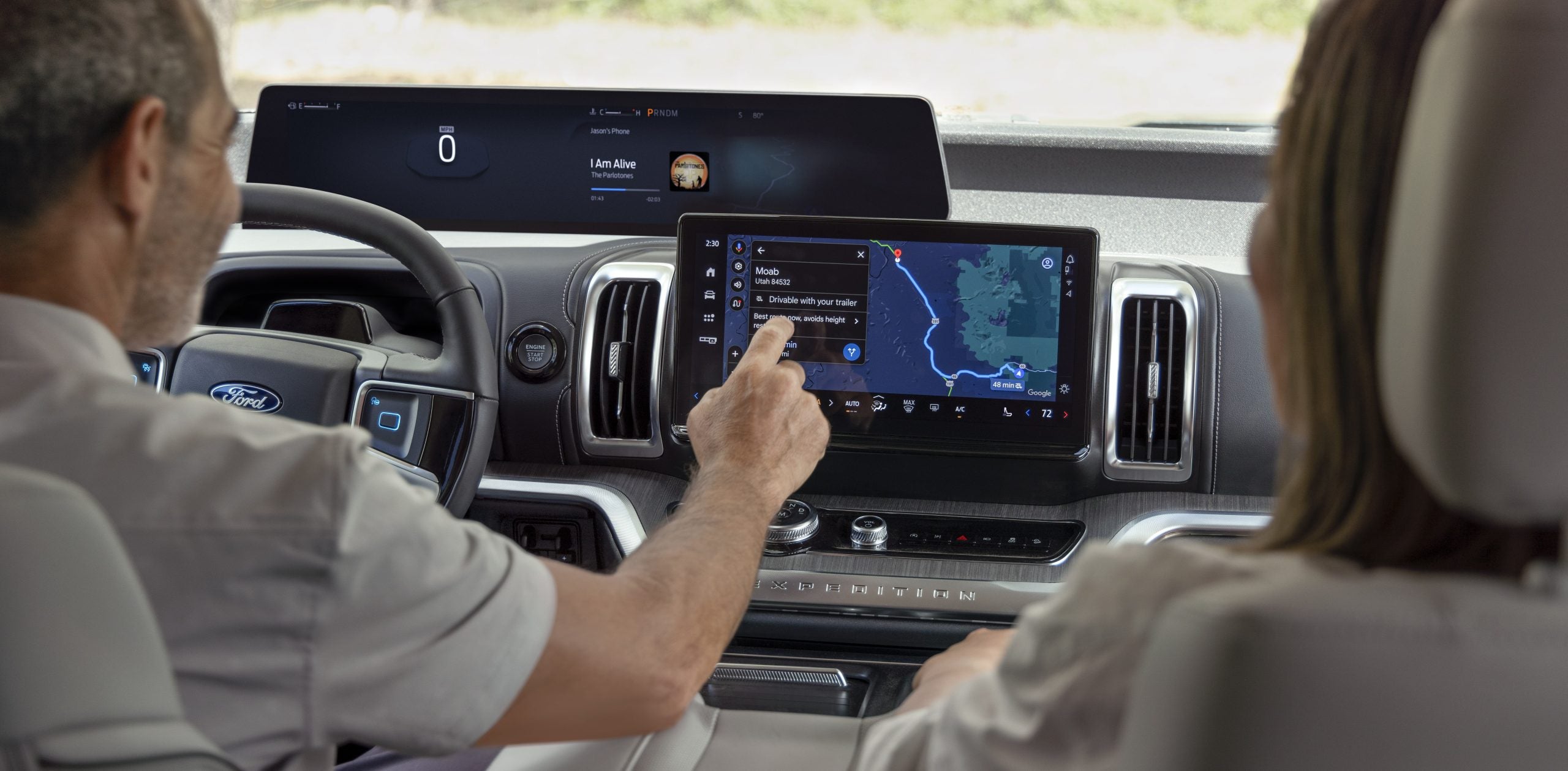
The 2025 Ford Expedition has performance, convenience, and technology to appeal to families and individuals alike. Here are some of the features that make it so exceptional. more 4 Impressive Features of the 2025 Ford Expedition Powerful Performance The Expedition's 3.5L EcoBoost engine delivers 400 horsepower and 480 lb-ft of torque, making it more than capable of carrying your cargo and even towing your small boat. It comes with pro-trailer hitch assistance, pro-trailer backup assistance, and trailer sway control. When properly equipped, it can tow up to 6,000 pounds. Comfortable and Convenient Interior There are three rows in the Expedition, and all of them provide more than enough space for passengers to stretch out. The tri-zone automatic temperature control lets the driver, front passenger, and rear passengers choose their own climate settings. It also comes with a remote start, which allows you to get your vehicle comfortably cooled or heated before you step in. Thoughtful touches throughout the Expedition make sure your passengers feel right at home. For example, there are 15 cupholders spread across the three rows, giving everyone a place to hold their beverages or small items. Other convenient features include coat hooks, USB ports,12V powerpoints, and a sunglasses holder. Versatile Cargo Area The Expedition's cargo area can be extended to a staggering 108.5 cubic feet by folding down the second and third rows. It has a unique power liftgate that is divided into an upper liftgate and a lower tailgate. The two parts can be opened independently, giving you flexibility when hauling longer items. The tailgate can also be used ​as a seat. The cargo tailgate manager helps bring your camping trips, tailgate parties, and other outdoor activities to life. It can hold up to 35 pounds and acts as a table, backrest, or shelf. Infotainment and Connectivity Ford Digital Experience allows you to choose the information you want to see and how it's presented. There's a customizable 24-inch panoramic instrument panel that displays all your vehicle information, maps, music, and more right in the driver's line of sight. There's also a 13.2-inch center stack touchscreen with wireless smartphone integration, so you can access your phone's music, calls, and texts. It comes with Wi-Fi hotspot capability so you can stay online even on the road. Now that you've learned more about the Expedition's most impressive features, would you like to try them yourself? Come see us at Cloninger Ford of Salisbury in Salisbury, NC for a test drive.

Contact Us

Fill out this form below and we'll contact you shortly
*Required Fields