Cloninger Ford of Salisbury

Blog / Salisbury Ford Service

Does Your Ford Need a Transmission Repair?

Photo by Daniel Andraski
The transmission is one of the hardest working parts of your Ford, and it suffered more wear than any other component. Its job is to convert your engine power into a usable form to move your car. A transmission is a highly complex piece of engineering, and it can suffer wear and damage. When you need a transmission repair, your Ford dealer in Salisbury, NC, can help. These are a few signs that your transmission has a problem,

Signs You Need a Transmission Repair at Your Ford Dealer

Your Transmission Slips

A slipping transmission can be very dangerous. When you or your computer shift gears, your transmission should remain in that gear until you or the computer shift it again. If your transmission slips, it will unexpectedly shift into another gear. If you have an automatic transmission, it will most likely shift back to the previous gear. A manual transmission will usually shift into neutral, and your car will stop. The unexpected movement of the gears can lead to an accident, as the gear change could cause your car to stall. It will also cause damage to the transmission, due to the sudden, violent movement of the gears. There are several different causes of this problem, but one of the most common causes is a lack of brake fluid. Our technicians will examine your transmission and find the cause of the problem.

Difficulty Shifting

Your transmission should shift gears easily, whether you or the transmission computer initiate the shift. Should your transmission have difficulty in shifting, this is a sign of a problem. If you have an automatic transmission, you'll usually experience a delay between when the gear shift is initiated and when the gear shifts. A manual transmission will show far higher RPMs than you should have for the gear you selected. The problem could be caused by an electrical or mechanical fault, or it could be caused by a lack of transmission fluid. A lack of transmission fluid, for example, will make shifting gears very difficult. One of the uses of transmission fluid is to provide hydraulic power to enable your gears to shift. Our technicians are very experienced and will quickly find the cause of the problem.

Leaking Fluid

A transmission leak can cause problems for your transmission. The fluid is essential for keeping the transmission operating correctly. Transmission fluid reduces the temperature in the transmission, and it provides a friction barrier around the parts to protect them against damage. A fluid leak will cause your transmission temperature to increase and it could seize up. Most leaks are easy to spot, and our technicians will find and fix the leak. If you experience any transmission problems, call us at Cloninger Ford of Salisbury.
Posted in:

Related Posts

women with tire

Understanding Tire Wear on Ford Trucks and SUVs

Tire wear is a normal part of vehicle ownership, but understanding why and how it happens can save Ford owners time, money, and potential safety issues. For drivers in Salisbury, NC, knowing when to schedule a Ford tire rotation and what to watch for in terms of Ford tires performance helps prevent premature replacement and keeps your vehicle handling properly. At Cloninger Ford, tire-related service calls are among the most common questions, and the patterns drivers describe often reveal specific underlying issues that are easy to address when caught early. more How Tires Wear Naturally All tires wear over time as the rubber contacts the road surface. On trucks and SUVs, front tires typically wear faster than rear tires due to the added demands of steering and, in many cases, carrying the weight of the engine. Ford trucks like the F-150, Ranger, and Super Duty place significant stress on front tires, especially during cornering and heavy acceleration. Front-wheel-drive SUVs like the Ford Escape or Edge also see accelerated front tire wear because those tires handle both propulsion and steering. A regular Ford tire rotation helps distribute wear more evenly across all four positions, extending the overall life of the set. How often should tires be rotated? Most manufacturers, including Ford, recommend rotation every 5,000 to 7,500 miles. Following this schedule keeps wear balanced and helps drivers get the maximum lifespan from their investment. Common Tire Wear Patterns and What They Mean Different wear patterns reveal different problems. Recognizing these patterns early allows Ford owners to address issues before they lead to costly replacements or compromise safety. Edge wear occurs when both outer shoulders of the tire wear faster than the center. This typically results from underinflation. When tire pressure is too low, the sidewalls flex more during driving, increasing contact on the edges and accelerating tread loss. Checking tire pressure monthly and maintaining the recommended PSI listed on the driver-side door jamb prevents this issue. Center wear shows the opposite problem. When the middle of the tire wears faster than the edges, overinflation is usually the cause. Overinflated tires have a smaller contact patch with the road, concentrating wear in the center. Adjusting pressure to the correct level solves this quickly. One-sided wear happens when one edge of the tire, either inside or outside, wears significantly faster than the other. This pattern typically signals misalignment. When wheels are not angled correctly, they drag or tilt, causing uneven tread contact. Drivers may also notice the vehicle pulling to one side or the steering wheel sitting off-center when driving straight. Cupping or scalloping creates irregular dips or high and low spots around the tread. This pattern is often linked to worn shocks or struts. As suspension components age, they lose their ability to control tire movement, causing the tire to bounce slightly on the road. This bouncing creates uneven contact, which leads to cupping. Addressing suspension wear early prevents this from becoming a recurring issue. Feathering occurs when one side of each tread rib is worn smooth while the other side remains sharp. Running your hand across the tread will reveal this texture. Feathering is most commonly caused by incorrect toe-in alignment, where the front of the tires point slightly inward or outward rather than running parallel. Why Ford Trucks and SUVs Are Prone to Certain Wear Ford trucks and SUVs carry more weight and handle heavier loads than sedans, which increases stress on Ford tires. Models like the F-150, F-250, and Expedition are built for towing and hauling, and that capability comes with added demands on the tire surface. Drivers who tow trailers or carry heavy cargo regularly should monitor tire pressure more frequently, as added weight compresses tires and can push them out of the recommended pressure range. Larger tires, such as those on lifted trucks or off-road packages, may also wear differently depending on driving conditions. Is tire wear on Ford trucks faster than on smaller vehicles? Not necessarily, but the larger contact patch and heavier loads mean that small issues like underinflation or misalignment show up more quickly and more dramatically. The Role of Regular Tire Rotation Ford tire rotation is one of the simplest ways to extend tire life and maintain balanced handling. Rotation moves tires from one position to another, ensuring that no single tire carries disproportionate stress for too long. For most trucks and SUVs, the recommended rotation pattern follows a forward cross or rearward cross method depending on drivetrain. Front-wheel-drive vehicles typically use a forward cross, while rear-wheel-drive and four-wheel-drive models use a rearward cross. Directional tires, which are designed to roll in one specific direction, require a front-to-back rotation on the same side of the vehicle. At Cloninger Ford in Salisbury, NC, tire rotation is included as part of routine service visits and takes only a few minutes to complete. The service team inspects tread depth and wear patterns during each rotation, which helps catch potential issues early. When to Replace Tires Tire tread depth directly affects traction, especially in wet conditions. The legal minimum tread depth in most states is 2/32 of an inch, but many experts recommend replacing tires when they reach 4/32 to maintain safe stopping distances and hydroplaning resistance. A simple way to check tread depth is the penny test. Insert a penny into the tread with Lincoln's head facing down. If you can see the top of Lincoln's head, the tire has worn below 2/32 and needs replacement. Other signs that Ford tires need replacement include visible cracks in the sidewall, bulges or blisters, excessive vibration that does not go away after balancing, or any puncture larger than a quarter inch in diameter. Preventing Premature Wear Maintaining proper tire pressure is the easiest and most effective way to prevent premature wear. Checking pressure monthly, especially during temperature changes, keeps tires inflating correctly and reduces stress on the tread. Scheduling regular alignments, ideally once a year or after hitting a major pothole or curb, keeps wheels angled properly and prevents uneven contact with the road. Replacing worn suspension components like shocks and struts as needed also protects tires from cupping and other irregular wear patterns. At Cloninger Ford in Salisbury, NC, the service team can inspect and perform Ford tire rotation, alignment, suspension, and tire condition during routine visits, making it easy to stay ahead of wear-related issues. Frequently Asked Questions About Ford Tire Wear How often should I rotate my tires? Ford recommends tire rotation every 5,000 to 7,500 miles to ensure even wear and extend tire life. What causes one-sided tire wear on Ford trucks? One-sided wear typically indicates misalignment. An alignment check and adjustment will correct the issue. Can worn shocks cause tire wear? Yes. Worn shocks or struts can cause cupping or scalloping on the tire surface due to inconsistent contact with the road.


Ford maintenance

What to Expect During a Ford Service Appointment

Scheduling vehicle service can feel uncertain if you are not sure what the process looks like from start to finish. Understanding the steps involved in a service appointment helps remove that uncertainty and makes routine care easier to plan. For drivers searching for Ford service near me, knowing how a typical visit works at our dealership can lead to a smoother, more confident experience. more Checking In and Initial Vehicle Review A Ford service appointment usually begins with a check in process where your concerns and service needs are reviewed. This may include discussing warning lights, unusual noises, or scheduled maintenance milestones. Clear communication at this stage helps ensure our technician understands what to inspect. During a Ford maintenance visit, our service team confirms mileage, reviews service history, and verifies any recommended maintenance based on manufacturer guidelines. This initial review sets expectations for timing and scope before work begins. Inspection and Diagnostic Process Once the vehicle is in the service area, our technicians perform inspections related to the requested services. For routine maintenance, this may include checking fluids, brakes, tires, and filters. If diagnostics are needed, specialized tools are used to identify issues accurately. Is every service visit the same length? Not always. A basic Ford maintenance visit is typically quicker than appointments involving diagnostics or repairs. Understanding this difference helps drivers plan their day more effectively when scheduling service. Communication During the Appointment Clear updates are an important part of the service experience. If our technician identifies additional concerns during the inspection, we reach out before moving forward. This allows drivers to understand the issue, recommended solution, and associated cost. This transparency is especially helpful during a maintenance visit, where preventative care decisions can impact long term reliability. Being informed before approving additional work helps drivers feel in control of the process rather than surprised at pickup. Completing Service and Quality Checks After approved services are completed, vehicles typically go through quality checks to ensure work was performed correctly. This may include test drives, system resets, or final inspections depending on the service performed. For drivers using Ford service near me, this step provides reassurance that the vehicle is ready for the road. Attention to detail during final checks helps prevent repeat visits and supports consistent performance. Reviewing Results and Planning Ahead At pickup, our service advisors review what was completed and may note future maintenance items to watch for. This is an opportunity to ask questions and understand how recent service supports vehicle health. Should you schedule your next appointment right away? Many drivers find it helpful to plan ahead, especially for routine intervals like oil changes or tire rotations. This approach helps keep maintenance on track without last minute scheduling stress. Supporting Long Term Vehicle Care Routine service plays a key role in protecting performance, safety, and resale value. Knowing what to expect during appointments encourages drivers to stay proactive rather than reactive with maintenance. At Cloninger Ford, service visits are structured to be clear and efficient, helping drivers understand each step of the process. This clarity makes Ford service near me appointments easier to manage and ensures each Ford maintenance visit supports long term vehicle reliability. Frequently Asked Questions About Ford Service Appointments How long does a typical Ford service appointment take? Routine maintenance often takes under an hour, while diagnostics or repairs may require more time. Do I need an appointment for service? Appointments are recommended, but availability can vary depending on service needs. Will I be notified if additional repairs are found? Yes. Service advisors typically contact you before performing any additional work. Can I wait at the dealership during my service visit? Many drivers choose to wait on site, depending on service length and availability.

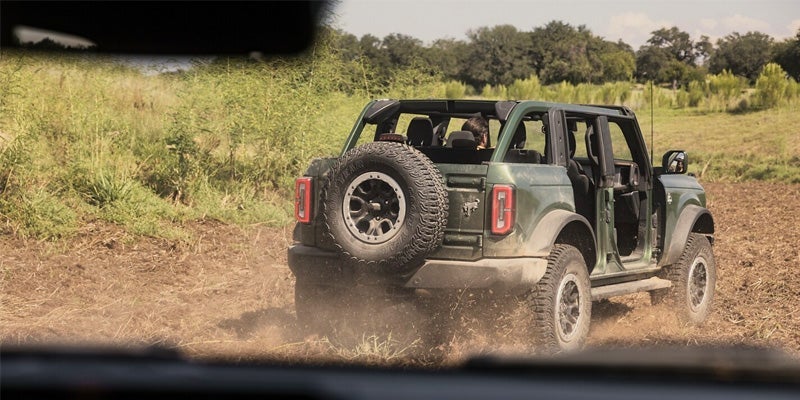
A green 2024 Ford Bronco driving through the mud on a sunny day after having a suspension repair performed

Visit Your Dealership: Suspension Repair for Your Ford

The suspension in your car helps it smooth out all the bumps in the road. Ford suspensions are renowned for their ability to handle off-road terrain using a wider range of movement. You can cruise over tree roots, rocks, and rugged hills without batting an eye. But suspension repair is crucial to maintaining your ride. Without it, you can easily lose control of the wheel. Learn the dos and don'ts of fixing the suspension from your local Ford dealership. What Is the Suspension? The suspension improves your ride in several ways. It increases contact between the tires and the road to maximize traction, stabilizes the interior to help you sit still, and allows you to corner while minimizing body roll. The coil springs absorb any variances in the ground surface, while the shock absorbers prevent it from affecting the rest of the vehicle. They are your first line of defense against vibrations. The control arms secure the suspension to the wheels, and the ball joints limit lifting when turning right or left. more Suspension Problems and Warning Signs A new suspension system should take bumps in stride, but mechanical damage, rust, and loose connections will turn your ride into a game of pinball. When the suspension fails to absorb the vibrations, the bumps will rattle the steering wheel, making the vehicle harder to control. You may hear loud clunking noises or notice irregular tire wear. The car can also pull to the side if one set of wheels becomes unstable. Find Suspension Repair at Your Local Ford Dealership You need a working suspension to keep your hands on the steering wheel and the tires on the road. There's not much you can do to repair a broken set of coil springs or shock absorbs. The parts will need to be replaced or retightened to improve stability. If you have trouble steering or notice more vibrations than usual, take your Ford to our shop for a tune-up. One of our experienced mechanics will inspect your suspension system and recommend the necessary repairs. A part or all of the strut may need to be replaced. Driving off-road or over potholes will wear down the suspension faster than driving on paved roads. You can't do your job when the interior is shaking. Poor suspension can also increase your risk of accidents. Visit Cloninger Ford in Salisbury, NC, to have your Ford suspension system inspected by a professional.