Cloninger Ford of Salisbury

Blog / 2020 Ford Mustang

3 Reasons to Test-Drive the 2020 Ford Mustang Today

3 reasons to test drive 2020 ford mustang in salisbury, nc
What more can you say about what is one of the most iconic vehicles ever made? The 2020 Ford Mustang is another proud entry in the Mustang family. It takes what has worked about the Mustang over the last half-century and updates it for modern driving. Here are three reasons that you should test-drive the new Ford Mustang today.    

1. You'll Have the Coolest-Looking Car on the Road

There is no doubt that the Ford Mustang is a cool-looking car. When it's decked out in the classic cherry red paint job, it's hard to look better driving down the street. The 2020 Mustang develops this styling so that it looks classic and modern at the same time. If you are a muscle car fan, then you owe it to yourself to try the Mustang, and there's never been a better time to be seen in the American classic.

2. It's a Great Car to Drive

The 2020 Mustang is powered by a standard V4 or a V8 in the more premium models. Both are great value, but the Bullitt's V8 is the one to try as it pumps out nearly 500 horsepower. Each engine can also be partnered with a manual six-speed or an automatic 10-speed, which is great news for the purists who are still looking for a manual transmission. Now that we have the stats out of the way, we can get to the important part: how the Mustang feels to drive. The 2020 Mustang has great power that is controlled by an improved chassis. The end result is that the Mustang has never felt better. The power feels well-planted, meaning that you get all of the power, but the vehicle never feels out of control. Everything feels well put together from the acceleration to the braking, making for an unparalleled driving experience.

3. Easy to Live With

You don't buy a Mustang because it's practical, but it certainly doesn't hurt that Ford has done a lot to make living with this Mustang a lot easier. The Mustang has four seats and plenty of cargo space so that you can use it for a Sunday drive or the weekly shop. The Mustang also gets pretty good mileage. Currently, the 2020 Mustang is rated to get 31 MPG on the highway with the V4 and 25 MPG with the V8. It also gets some livability features like heated seats, a touchscreen infotainment system, and a stereo loud enough for you to hear with the top down. It may not be why you choose to try the Mustang, but it's nice to know that this sports car is more than just fun. It's also a practical vehicle as well. The Ford Mustang has been the defining American muscle cars since it came out in the mid-20th century. Originally it was because it was cool to look at and fun to drive. This remains true, but Ford has also made the Mustang a lot more practical so you can use it as an everyday vehicle as well. Call Cloninger Ford to test-drive a new Mustang today.
Posted in:

Related Posts

2025 Ford Maverick

How Ford Pro Power Onboard Changes What You Can Do with a Truck

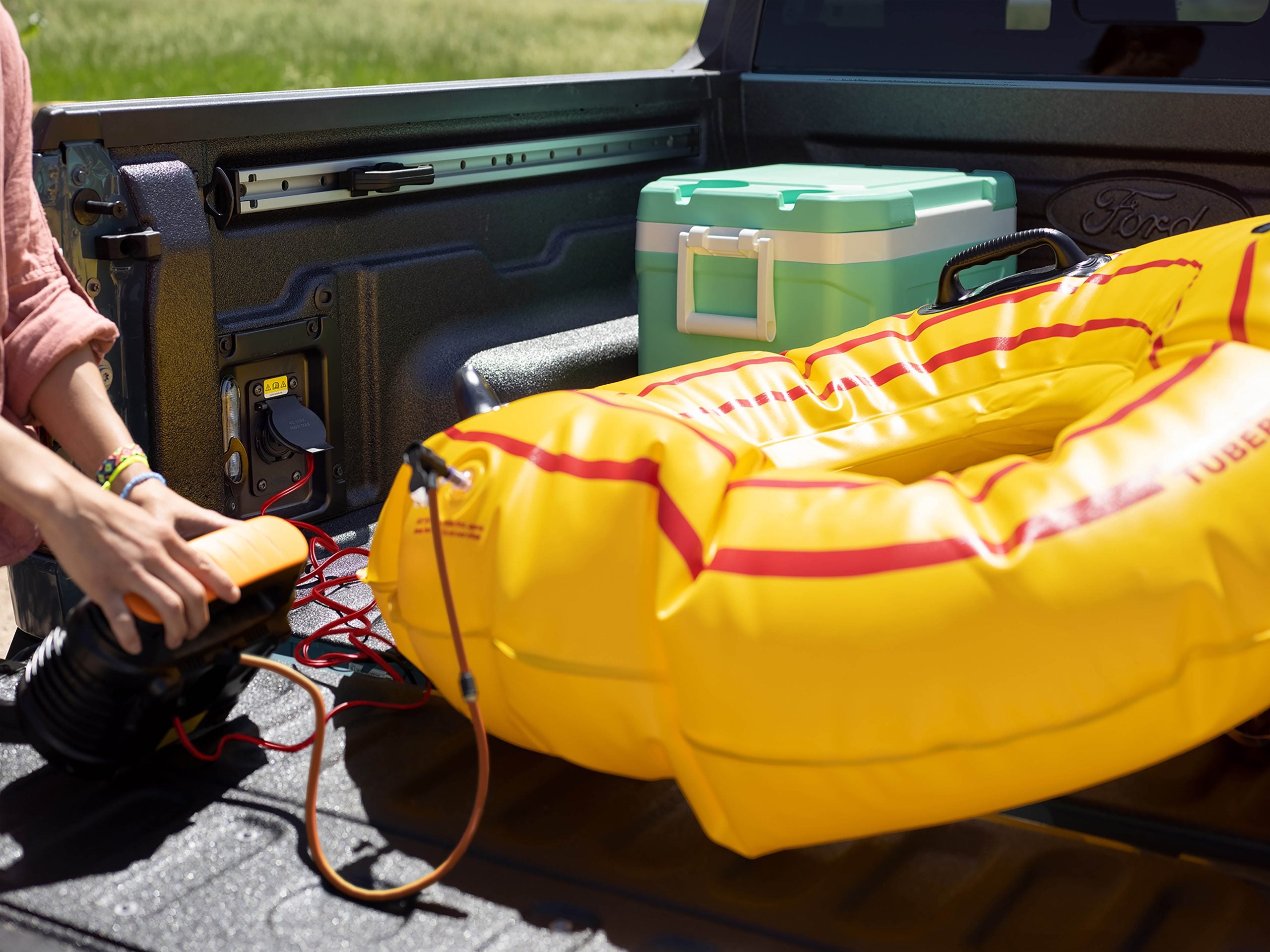
Most trucks have always had a single outlet tucked somewhere in the cab, good for charging a phone or running a small light. Ford Pro Power Onboard is something entirely different. Built directly into the F-150's architecture, it turns your truck into a functioning mobile generator capable of powering tools, appliances, and job site equipment from the bed or cab without a separate generator in tow. For drivers in Rowan County who work on job sites, head outdoors on weekends, or want a truck that does more than haul, this feature changes the equation. more Three Output Levels for Three Different Needs Ford Pro Power Onboard comes in three configurations, and the right one depends on what you actually need to run. The 2.0 kW system is available on gas-engine F-150 models equipped with the 2.7L EcoBoost V6, the 3.5L EcoBoost V6, or the 5.0L V8. It delivers power through two 120V/20A outlets in the truck bed, enough to run a reciprocating saw, hammer drill, jigsaw, or sander, and the truck's cabin outlets provide 400 watts for smaller devices on the instrument panel and center console regardless of which tier you choose. The 2.4 kW system is standard on F-150s equipped with the 3.5L PowerBoost Full Hybrid V6 and adds the capacity to run a microwave alongside the tools the 2.0 kW handles. What makes this tier stand out is runtime: at its maximum load, the 2.4 kW system runs for up to 85 hours on a full tank of gas, making it a serious asset for extended remote work or multi-day camp trips. The 7.2 kW system is the top tier, available as an option on PowerBoost Hybrid models and the F-150 Platinum Plus. It delivers 7,200 watts through four 120V/20A outlets and one 240V/30A outlet. For reference, a typical portable generator produces around 3,500-4,000 watts. The 7.2 kW system can simultaneously power a plasma cutter, TIG welder, chop saw, air compressor, angle grinder, and work light, and it does so for up to 32 hours at maximum load on a full tank of gas. That is a full working day and then some, without refueling or swapping equipment. What Does This Mean in Practice? Is this feature practical only for contractors? Not at all. The Ford truck power outlet system covers a wide range of situations. On a job site without utility power run yet, a single F-150 with the 7.2 kW system can power an entire framing crew's tool setup. At a campsite, it runs lights, a portable heater, a cooler, and speakers from the same truck that hauled the trailer there. During a tailgate, it powers a television, a blender, and sound equipment. Ford also designed the system to operate while the truck is moving, so devices can charge or run on the way to the job site or trail. The truck can be locked while idling in generator mode, providing overnight security when the system is running unattended. Monitoring is handled through the 12-inch center touchscreen or the FordPass app, both of which display real-time wattage draw and alert you if total load approaches the system's limit. The Ford truck power outlet system manages load automatically, and if a circuit is tripped, it can be reset directly from the truck bed's outlet panel on the 7.2 kW system. Find the Right F-150 Configuration in Salisbury Choosing between the three output tiers comes down to how you use your truck day to day. Drivers in Salisbury, Kannapolis, and Lexington who need basic job site capability or a weekend power source will likely find the 2.0 kW system sufficient. Those running a crew or working in remote locations will benefit from the PowerBoost Hybrid and its 2.4 kW or 7.2 kW output. The team at Cloninger Ford on Jake Alexander Boulevard can walk you through which F-150 configurations include Ford Pro Power Onboard and help you match the right output level to the work you do. It is one of the most practical capabilities on any truck in the segment, and Cloninger Ford has the inventory to put you in the right one. Frequently Asked Questions About Ford Pro Power Onboard What are the output levels for Ford Pro Power Onboard on the F-150? The F-150 offers 2.0 kW, 2.4 kW, and 7.2 kW configurations. The 2.0 kW is available on select gas engines, the 2.4 kW is standard on the PowerBoost Hybrid, and the 7.2 kW is optional on PowerBoost models and standard on the Platinum Plus. How long can the Ford Pro Power Onboard system run on a full tank? At maximum load, the 2.4 kW system runs up to 85 hours and the 7.2 kW system runs up to 32 hours on a full tank of gas. At lighter loads, runtime extends further. What does the Ford truck power outlet system actually power? Depending on the tier, the Ford truck power outlet can run circular saws, drills, compressors, microwaves, welders, televisions, and camping appliances. The 7.2 kW system can run a plasma cutter, TIG welder, chop saw, and air compressor simultaneously. Can I use Ford Pro Power Onboard while driving? Yes. The system operates while the truck is in motion, allowing tools and devices to charge or run on the way to a job site or campground.
2023 F-150 Raptor

Ford F-150 vs. RAM 1500: Which Full-Size Truck To Choose?

Shopping for a full-size pickup truck means choosing between trucks that have earned loyal followings for very different reasons. The Ford F-150 vs Ram 1500 debate is one of the most common conversations in the segment, and both trucks make a compelling case. For drivers in the Salisbury area weighing their options, here is a straightforward look at how the two stack up, and where the 2026 F-150 pulls ahead. more Towing and Payload: Where the Numbers Matter For the best full size truck in terms of raw capability, the 2026 F-150 sets the benchmark. With the available 3.5L EcoBoost V6, it reaches a maximum towing capacity of 13,500 pounds when properly equipped and a best-in-class maximum payload of 2,440 pounds. The 2026 RAM 1500 tops out at 11,610 pounds of towing with its 3.0L Hurricane inline-six and 2,360 pounds of payload. Both are capable trucks for everyday hauling, but if you regularly tow boats, enclosed trailers, or heavy equipment near Salisbury, the F-150's ceiling is meaningfully higher. That advantage matters when you're towing at or near the limit, which is exactly when capacity differences show up. Engine Options: Five vs. Four Can a truck offer both power and efficiency without sacrifice? The F-150's five-engine lineup makes a strong case. The entry 2.7L EcoBoost V6 delivers 325 horsepower and 400 lb-ft of torque while returning up to 20 city/24 highway MPG. The 3.5L PowerBoost Full Hybrid V6 produces 420 horsepower and 578 lb-ft of torque, achieves up to 18 city/24 highway MPG, and unlocks Pro Power Onboard, turning the truck into a mobile generator capable of up to 7.2 kilowatts of exportable power. The RAM 1500 counters with four engine options including the returning 5.7L HEMI V8 at 395 horsepower and the high-output Hurricane inline-six at 540 horsepower, which is impressive. The RAM does not, however, offer a full hybrid or electric model that pairs that kind of power with meaningful fuel savings. Technology and Driver Assistance What separates the F-150 from the RAM 1500 in the cab? The 2026 F-150 now brings BlueCruise hands-free highway driving to more trim levels than ever, including select XLT, Lariat, King Ranch, and Platinum models. BlueCruise allows the F-150 to steer, accelerate, and brake hands-free on over 130,000 miles of pre-qualified divided highways across North America, using a driver-facing camera to confirm attention. The RAM 1500's Active Driving Assist is a capable lane-centering and adaptive cruise system, but it requires the driver's hands on the wheel at all times and does not offer hands-free highway operation. For Rowan County drivers who spend time on the highway during long hauls, that distinction translates to real comfort on longer drives. The F-150 also offers Pro Trailer Backup Assist, which lets you steer a trailer in reverse using a simple knob rather than manual judgment. The Bottom Line for Salisbury Drivers The RAM 1500 is a genuinely strong truck with a refined ride, a loyal following, and the return of the HEMI V8 for 2026. But when it comes to the Ford F-150 vs Ram 1500 matchup on the metrics that define the best full size truck, the F-150 leads in maximum towing, maximum payload, engine variety, hybrid capability, and hands-free driving technology. Kelley Blue Book named the F-150 its Best Buy in the Full-Size Trucks category for 2026, and it has been America's best-selling truck for good reason. The team at Cloninger Ford in Salisbury is ready to walk you through the full lineup and help you find the F-150 configuration that fits the way you work and drive. Frequently Asked Questions About Ford F-150 vs Ram 1500 What is the maximum towing capacity of the 2026 Ford F-150? When properly equipped with the 3.5L EcoBoost V6, the 2026 F-150 tows up to 13,500 pounds, compared to the 2026 RAM 1500's maximum of 11,610 pounds with the Hurricane inline-six. Does the 2026 F-150 have better technology than the RAM 1500? The F-150 offers available BlueCruise hands-free highway driving, which the RAM 1500 does not. The F-150 also includes available Pro Trailer Backup Assist and Pro Power Onboard as part of its broader technology advantage. Is the Ford F-150 the best full size truck for hauling? With a best-in-class maximum payload of 2,440 pounds, the 2026 F-150 leads the half-ton segment in hauling capacity, making it a strong choice for contractors and work-focused buyers. Where can I find a Ford F-150 near Salisbury, NC? Cloninger Ford on Jake Alexander Boulevard in Salisbury carries the full 2026 F-150 lineup and serves drivers throughout Salisbury, Kannapolis, Lexington, and Mooresville.

men examining car

How to Review a Vehicle History Report When Buying Pre-Owned

A vehicle history report is one of the most useful tools available when buying a used Ford, and knowing how to read one correctly is just as important as pulling it in the first place. Many buyers glance at the summary, see no major red flags, and move on. But a closer read often reveals details that should influence your decision, from title issues and odometer discrepancies to lapsed maintenance records and past damage that wasn't fully disclosed. Taking fifteen minutes to work through a report thoroughly can save you from a purchase you'll regret. more What a Vehicle History Report Actually Covers The two most widely used vehicle history services are Carfax and AutoCheck. Both pull data from a range of sources including state DMV records, insurance claims, auction records, and service facilities. A complete report will typically show information like the number of previous owners, title history, accident and damage disclosures, odometer readings at various points, and whether the vehicle was ever used as a rental, fleet, or taxi. Not everything shows up in every report. Repairs done privately or at shops that don't report to these databases won't appear, which is why a vehicle history report works best as one part of a larger evaluation rather than a substitute for a professional inspection. Title Status Is the First Thing to Check When buying a used Ford, the title section of the report deserves your full attention before you read anything else. A clean title means the vehicle has never been declared a total loss by an insurer. A salvage title indicates it was at some point deemed a total loss, then repaired and re-titled. A rebuilt title means the same, with the addition that the vehicle has passed a state inspection. Both carry significant implications for resale value, insurability, and long-term reliability. Flood titles are a separate concern entirely. A vehicle that has been submerged even once can suffer long-term electrical and corrosion damage that doesn't always surface immediately. If the title history shows a flood or water damage notation, treat it as a serious caution regardless of how the rest of the report reads. Odometer Readings and What Gaps Can Signal The report will show odometer readings logged at various points in the vehicle's history, typically at registration renewals, inspections, and dealer service visits. These readings should form a consistent upward trend. Does the mileage jump unexpectedly between two readings? That could indicate the odometer was rolled back, a serious red flag that affects both value and maintenance timing. A gap of several years with no recorded readings isn't necessarily alarming, but it does mean that that period of the vehicle's life is undocumented. When buying a used Ford, cross-referencing the current odometer reading against the most recent figure in the report gives you an instant consistency check before you go any further. Accident History Requires Context A single minor incident on a report shouldn't automatically disqualify a vehicle, but the nature of the damage matters. The report will often indicate whether the airbags deployed, which signals a more severe collision, and whether the damage was structural. Structural damage to the frame or unibody affects the integrity of the vehicle and can influence how it handles a future collision, even after professional repair. Ask the dealership for repair documentation if the report shows a prior accident. A quality used vehicle will have a paper trail from the body shop showing what was repaired and to what standard. Using the Report at Cloninger Ford At Cloninger Ford in Salisbury, NC, we provide a vehicle history report as part of the pre-owned buying process. Whether you are evaluating a certified pre-owned Ford or a standard used vehicle, the report is a starting point for an informed conversation. Pair it with a test drive and a professional inspection, and you have a complete picture of what buying a used Ford with that particular history actually means for your ownership experience. Frequently Asked Questions About Reviewing a Vehicle History Report Is a vehicle history report enough to evaluate a used vehicle on its own? No. It only captures data from sources that report to services like Carfax or AutoCheck. Private repairs and undisclosed damage won't appear, so a professional pre-purchase inspection should always accompany the report. What does a salvage title mean when buying used? A salvage title means the vehicle was declared a total loss by an insurer at some point. It was repaired and re-titled, but it typically carries reduced resale value, may be harder to insure, and could have reliability concerns depending on the extent of the original damage. Should I be concerned if a history report shows a prior accident? Not necessarily. Minor incidents without structural damage or airbag deployment are common and may not affect the vehicle meaningfully. The key is to review the nature and severity of the damage and request repair documentation from the dealership. Does Cloninger Ford provide vehicle history reports on pre-owned vehicles? Yes. We include vehicle history reports as part of the pre-owned shopping process so buyers can review a vehicle's background before making a decision.