

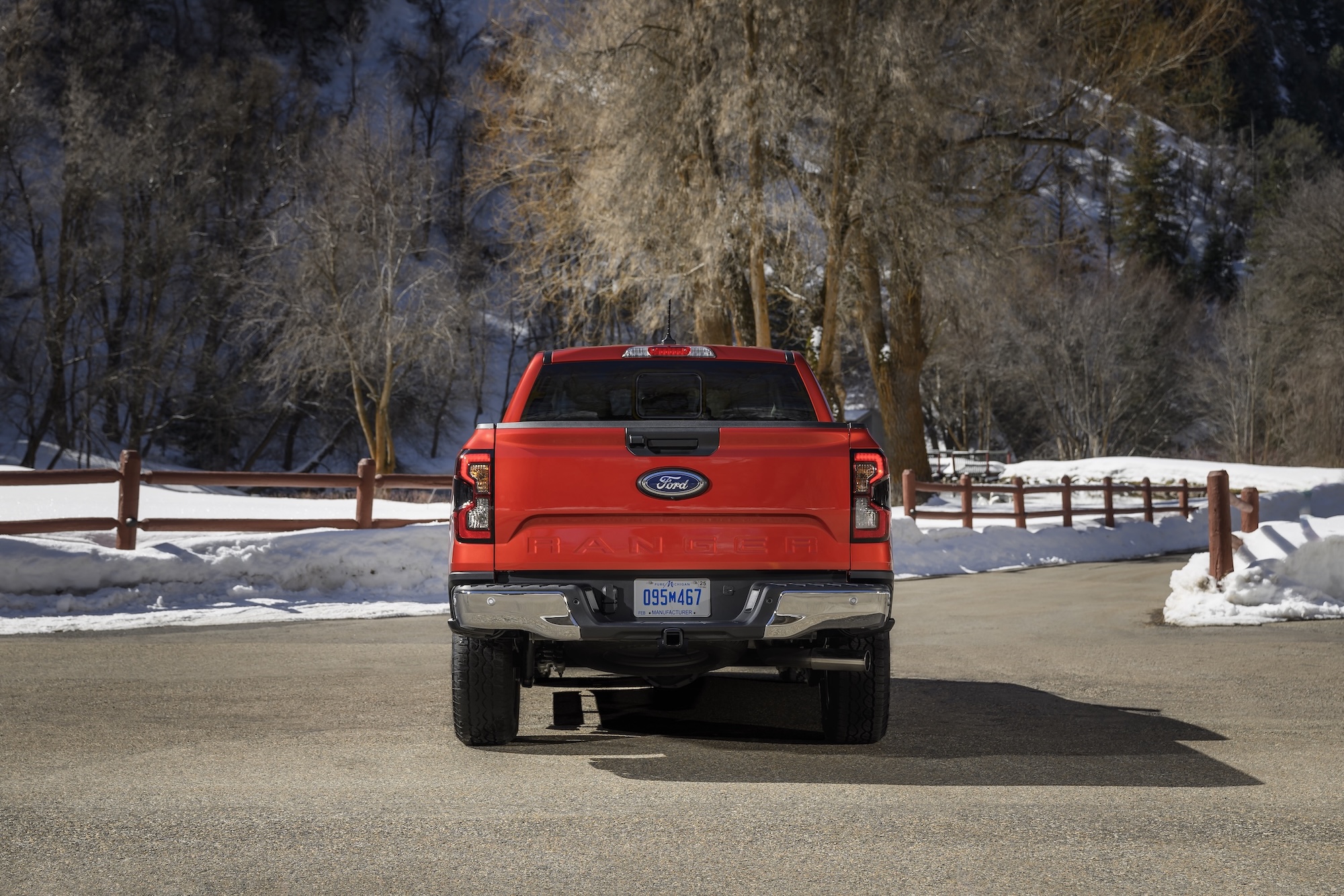
Choosing a truck that can handle job demands without feeling oversized for daily errands is a common challenge. Many drivers rely on their truck as both a work tool and a personal vehicle, which means comfort, capability, and practicality all matter. When browsing for a Ford truck for sale, understanding how different models balance these needs helps narrow the field and avoid buying more or less truck than necessary.
Understanding How You Will Use Your Truck
The first step in choosing the right truck is being honest about how it will be used most often. Some drivers need towing and payload capacity for job sites, while others want occasional hauling with a smooth commute. Knowing whether your truck will spend more time on highways, city streets, or rough terrain shapes which features truly matter.
For buyers considering a Ford work truck, daily usability should not be overlooked. Cab size, ride comfort, and fuel efficiency can have a major impact when the truck doubles as a family or commuter vehicle. Matching real usage to the right class of truck leads to better long term satisfaction.
Light Duty vs Heavy Duty Capabilities
Ford offers trucks across multiple duty levels, each designed for different workloads. Light duty trucks are often ideal for drivers who need flexibility rather than maximum output. They typically offer easier handling, better fuel economy, and a more comfortable ride.
Heavy duty options are built for serious towing and payload demands. These trucks shine in commercial settings but may feel excessive for everyday driving. Is a heavier truck always the better choice for work? Not necessarily. Many buyers find that a lighter Ford work truck meets their needs while remaining practical for daily use.
Cab, Bed, and Configuration Choices
Truck configurations play a major role in usability. Cab options affect passenger space and interior comfort, while bed length determines hauling versatility. Shorter beds can be easier to park and maneuver, while longer beds offer more cargo room.
When comparing a Ford truck for sale, buyers should also consider drivetrain options such as two wheel drive versus four wheel drive. Climate, terrain, and job requirements all influence whether added traction is necessary. Choosing the right configuration ensures the truck fits both work tasks and everyday routines.
Technology and Comfort for Daily Driving
Modern trucks offer technology that enhances safety, connectivity, and comfort. Driver assistance features, infotainment systems, and improved seating make daily driving more enjoyable. These features matter just as much as horsepower when a truck is used beyond the job site.
For drivers selecting a Ford work truck, interior comfort can improve productivity and reduce fatigue. Quiet cabins, adjustable seating, and intuitive controls make long days behind the wheel more manageable, whether hauling equipment or commuting.
Matching the Truck to Long Term Needs
A truck purchase should account for future plans as well as current demands. Business growth, lifestyle changes, or increased towing needs may influence the ideal choice. Buying slightly more capability than needed today can provide flexibility without sacrificing comfort.
At Cloninger Ford, shoppers can explore multiple options side by side to compare capability, comfort, and value. This approach helps drivers choose a Ford truck for sale that works as hard during the week as it does on weekends, without compromise.
Frequently Asked Questions About Choosing the Right Ford Truck
Which Ford truck is best for both work and daily driving?
Many drivers prefer light duty trucks because they balance capability with comfort and fuel efficiency.
Do I need a heavy duty truck for occasional towing?
Not always. Light duty models can handle moderate towing without the size and stiffness of heavy duty trucks.
Is four wheel drive necessary for a Ford work truck?
It depends on terrain and weather. Four wheel drive is useful for job sites and rough conditions but not required for all drivers.
How do I decide on cab size?
Consider how often passengers ride along and how much interior space you want for daily comfort.
Connect with us
